
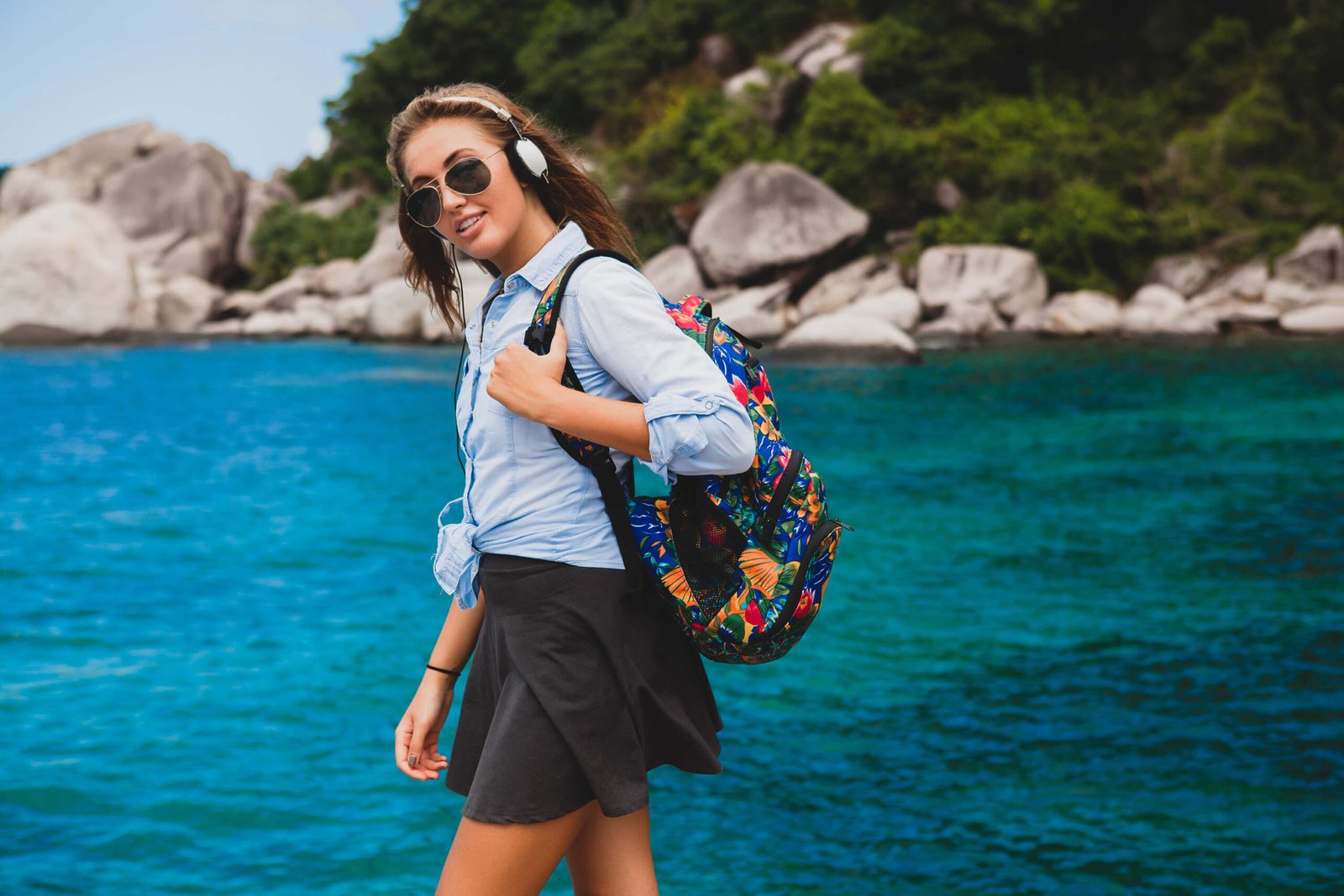
Planning a solo weekend trip around Austin doesn’t usually start with excitement. For many women, it starts with a quieter question: Will I feel comfortable the whole time? Not just safe in a technical sense, but steady—arriving without rushing, settling in without scanning every room, enjoying evenings without second-guessing your choices.
I’ve seen this pattern again and again with solo women who travel from Austin. First-timers worry they’re missing something important. Experienced solo travelers, on the other hand, often feel tired of being “on” all the time. Both are looking for the same thing: a weekend that feels supportive rather than demanding.
Safety, for solo women, is rarely about extreme scenarios. It’s about predictability, ease, and knowing how to set yourself up for comfort before small stresses pile up. It’s choosing destinations that match your energy, timing your days so you’re not constantly adjusting, and staying in places that let your nervous system actually relax.
This guide isn’t about fear or rigid rules. It’s about practical, experience-based decisions that quietly make a weekend feel smoother—from how far you drive, to when you arrive, to how you move through social spaces alone. Whether this is your very first solo getaway or your tenth, these tips are designed to help you travel around Austin with more confidence and less mental load.
You don’t need to be braver. You just need a plan that supports you.
Table of Contents
ToggleHow Solo Women Choose Weekend Destinations Around Austin
Choosing where to go is often the most mentally draining part of planning a solo weekend. Not because there aren’t enough options around Austin—but because every option carries a different feel. When you’re traveling alone, the question isn’t “Is this place popular?” It’s “Will this place feel easy for me right now?”
Most solo women I’ve spoken with—whether first-time or experienced—feel best when the destination reduces decision-making rather than adding to it. Places that are too far, too unfamiliar, or too spread out can quietly increase stress, even if they look beautiful on paper. On the other hand, destinations that feel familiar, navigable, and well-paced often create a sense of calm before you even arrive.
Familiarity, Distance, and Why Ease Often Beats Novelty
For weekend trips, shorter drive times usually mean more emotional bandwidth. A destination that’s close enough to reach without fatigue allows you to arrive grounded instead of depleted. Familiarity helps too. This doesn’t mean repeating the same place—it means choosing areas where signage, road flow, dining hours, and lodging layouts feel intuitive.
Many experienced solo travelers intentionally rotate between a few “known comfort zones” around Austin. First-timers often feel reassured starting somewhere they’ve heard friends mention. Both approaches work because they lower cognitive load. You’re not proving anything by going farther. You’re giving yourself space to enjoy the weekend.
Small Towns vs Nature Escapes — Different Comfort Profiles
Small towns often offer walkable centers, predictable evenings, and visible activity, which can feel grounding when you’re alone. Nature escapes provide quiet, privacy, and reset—but may require more planning and self-reliance.
Neither is better. What matters is matching the destination to your current energy. When that alignment is right, safety stops being a concern—and becomes a background feeling of ease.
Timing Your Weekend to Feel Steady, Not Rushed
For solo women, when you travel often matters as much as where you go. Timing sets the emotional tone of the entire weekend. A rushed arrival, late check-in, or poorly planned return can quietly create tension—even if everything else goes right.
Most women feel more grounded when their weekend unfolds predictably. That usually means leaving Austin at a time when traffic is manageable, daylight is on your side, and you’re not mentally juggling work stress with travel decisions. Arriving mid-to-late afternoon tends to feel easier than arriving at night. You have time to settle in, orient yourself, and make small adjustments without pressure.
Daytime exploration followed by calmer evenings is another rhythm that consistently works well. When plans are front-loaded, evenings naturally become slower and more restorative. This reduces the feeling of being “on alert” after dark and gives your body permission to relax.
Sunday timing matters too. Leaving with enough buffer to avoid highway stress or late-night fatigue helps you return home feeling accomplished rather than drained. A well-timed weekend doesn’t feel packed—it feels intentional. And that steadiness is one of the most underrated safety tools solo women have.
Where You Stay Sets the Tone for the Entire Weekend
For solo women, accommodations aren’t just a place to sleep. They’re your anchor point. When where you’re staying feels comfortable, the rest of the weekend tends to flow more easily. When it doesn’t, even small uncertainties can linger in the background of every plan.
What usually matters most isn’t luxury or design—it’s location and layout. Places that are easy to access, close to where you’ll spend your time, and simple to navigate help you settle in faster. Long walks from parking, poorly lit entrances, or complicated check-in processes can add unnecessary mental noise, especially after a drive.
Location Comfort vs Aesthetic Appeal
Many solo women find that staying slightly closer to activity feels more reassuring than choosing a beautiful but isolated property. Being near a town center, main road, or active area often means better lighting, clearer directions, and a general sense of presence. That visibility can feel grounding, particularly in the evenings.
This doesn’t mean avoiding quiet stays entirely. It means choosing them intentionally—when you know you’re craving solitude and are prepared for it.
Subtle Safety Cues Women Notice Instinctively
Women tend to pick up on small details quickly. Well-lit walkways, clearly marked entrances, and an environment where others seem relaxed all contribute to comfort. These cues aren’t about danger—they’re about ease. When your accommodation supports that feeling, you’re more likely to relax, explore, and enjoy your time alone.
Getting There and Moving Around Confidently
How you move through a weekend has a big impact on how steady you feel while traveling alone. For most solo women, confidence builds when logistics feel predictable and manageable—not when you’re constantly adjusting plans on the fly.
Driving from Austin is often the simplest option, especially for short getaways. Familiar highways, clear signage, and the ability to control your timing tend to reduce mental strain. What usually helps most is leaving with a loose plan already decided—where you’ll stop, roughly when you’ll arrive, and where you’ll park when you get there. That clarity removes a surprising amount of background stress.
Driving Alone Without Mental Fatigue
Solo driving doesn’t need to feel isolating or intense. Breaking the drive into simple phases—departure, arrival, and settling in—keeps your focus grounded. Avoid stacking errands or last-minute stops into your departure window. The calmer your start, the calmer the rest of the day tends to feel.
Walkability, Parking, and Knowing Your Comfort Zone
Once you arrive, mobility choices matter. Walkable areas can feel empowering when they’re lively and well-lit, but less so if distances are long or streets empty early. Parking close to where you’re staying often provides more peace of mind than relying on constant movement. Trust what feels easiest for you—confidence grows when your choices support your energy, not test it.
Preparation That Builds Quiet Confidence
Preparation doesn’t need to be intense or overly detailed to be effective. For solo women, the most helpful kind of prep is the kind that reduces mental noise. When a few basics are decided in advance, you’re less likely to question yourself once the weekend starts.
This isn’t about controlling every outcome. It’s about creating a soft structure that supports you if your energy dips or plans shift. Most experienced solo travelers refine this over time—not by adding more steps, but by simplifying what truly matters.
A few preparation choices consistently help solo women feel steadier:
-
Confirming arrival details ahead of time, so you’re not figuring out check-in while tired
-
Saving offline maps and directions, especially for smaller towns or nature areas
-
Sharing a loose itinerary with someone you trust, without making it feel like monitoring
-
Charging devices fully before departure, including car and backup chargers
-
Packing one familiar comfort item, something that helps you unwind in the evening
What’s important here is intention. When preparation feels supportive instead of restrictive, it builds confidence quietly. You’re not bracing for problems—you’re giving yourself options. And that sense of optionality is often what allows solo women to relax into the experience rather than stay mentally alert all weekend.
Navigating Social Moments Without Feeling Exposed
Being alone in public doesn’t automatically feel uncomfortable—but certain moments can quietly drain energy if you’re not prepared for them. Most solo women aren’t worried about interaction itself. What they want is control over how much interaction they have, and when.
The key is choosing social environments that allow you to blend in rather than stand out. Cafés, casual restaurants, bookstores, and daytime wineries often feel easier because solo presence is normal there. You’re not “the only one alone,” you’re just another person enjoying the space.
Dining Alone and Public Spaces — What Usually Feels Best
From experience, these small choices tend to support comfort without overthinking:
-
Eating earlier in the evening, when spaces feel active but not crowded
-
Choosing counter seating or window tables, which reduce the feeling of being watched
-
Bringing a light anchor, like a book or notes, to avoid feeling exposed
-
Trusting brief, polite boundaries, rather than feeling obligated to engage
-
Leaving when your energy dips, not when the venue closes
Most solo women discover that confidence grows quickly here. The more you honor your own rhythm, the less social moments feel loaded. You’re not avoiding people—you’re choosing how you participate. And that choice is what makes public spaces feel manageable, even enjoyable, when you’re traveling alone.
First-Time Anxiety and Experienced Burnout Both Deserve Space
Solo travel anxiety doesn’t disappear just because you’ve done this before. It simply changes shape. First-time solo women often worry about getting something wrong—choosing the wrong place, arriving too late, or feeling awkward being alone. Experienced solo travelers, on the other hand, sometimes feel pressure to “handle anything” and end up ignoring their own limits.
Both experiences deserve compassion. Feeling uneasy before a solo weekend doesn’t mean you’re not ready. It means you care about your comfort. And feeling tired of always being capable doesn’t mean you’ve lost confidence. It means you need a softer pace.
What usually helps is removing the idea that every trip has to prove something. You don’t need to push yourself socially. You don’t need to explore every corner. You don’t need to maximize every hour. A weekend can be successful simply because it felt supportive.
When you give yourself permission to travel at your current capacity—rather than an imagined version of confidence—something shifts. Anxiety quiets. Burnout eases. And solo travel becomes what it’s meant to be: a way to reconnect with yourself, not test yourself.
Listening When Something Feels Off — Without Panic
One of the most important skills solo women develop over time is learning the difference between unease and fear. Feeling slightly uncomfortable doesn’t always mean something is wrong—but ignoring a persistent, quiet signal often leads to unnecessary stress. The goal isn’t to react dramatically. It’s to respond early, calmly, and in a way that keeps your weekend intact.
When something feels off, it’s usually subtle. A plan that suddenly feels heavier than expected. A place that doesn’t match the energy you anticipated. An activity that sounded fun earlier but now feels draining. These moments aren’t failures. They’re information.
Experienced solo travelers aren’t better because they push through discomfort. They’re better because they adjust sooner.
Adjusting Plans Gracefully Instead of Powering Through
Small shifts often restore comfort without derailing the trip:
-
Leaving a place earlier than planned, without needing a reason
-
Swapping an evening plan for rest, even if it looked good on paper
-
Choosing a familiar option, like takeout or a quiet walk, instead of something new
-
Returning to your accommodation to reset, not to retreat
Listening to yourself doesn’t make you overly cautious. It makes you self-respecting. And when you trust that instinct, weekends tend to feel smoother, not smaller.
Ending the Weekend Feeling Grounded and Capable
How you close a solo weekend matters more than most women expect. The final hours often shape how you remember the entire trip—and how confident you feel planning the next one. Rushing home, squeezing in one last activity, or leaving without a moment to reflect can turn a good experience into a tiring blur.
What usually feels best is a gentle wind-down. Slowing the pace on Sunday morning, choosing a familiar stop for coffee, or leaving with enough buffer to avoid traffic pressure helps your body stay regulated. This isn’t about doing less. It’s about letting the experience settle.
Many solo women find it grounding to mentally note what worked before heading home. Maybe the timing felt right. Maybe the destination matched your energy. Maybe you trusted yourself sooner than usual. These quiet wins matter. They’re what build confidence over time—not dramatic moments or perfect itineraries.
When you return home feeling steady rather than depleted, solo travel starts to feel like a resource instead of an effort. You’re not just coming back from a weekend away. You’re returning with proof that you can take care of yourself well—and that’s a powerful feeling to carry forward.
Final Thoughts
Solo weekend travel around Austin doesn’t become easier because you eliminate every unknown. It becomes easier when you learn how to support yourself through the unknowns that naturally arise. Safety, in this context, isn’t about rigid rules or constant vigilance. It’s about creating weekends that feel emotionally manageable, physically comfortable, and aligned with where you are right now.
What I’ve seen consistently is that confidence grows through small, repeatable decisions. Choosing destinations that fit your energy. Timing your days so you’re not rushed. Staying in places that let you exhale. Adjusting plans when something feels off instead of pushing through. None of these choices are dramatic, but together they create a sense of steadiness that carries you through the entire weekend.
Whether you’re new to solo travel or simply ready for a gentler approach, these safety tips are meant to help you travel around Austin with less mental load and more trust in yourself. You don’t need to be fearless. You just need to feel supported by the way you plan.
And when you do, solo weekends stop feeling like a challenge—and start feeling like something you genuinely look forward to.
Related Posts
- Pet-Friendly Solo Weekend Trips from Austin for Women Traveling with a Dog
- Safest Weekend Getaways Near Austin for Solo Female Travelers
- Solo Female Road Trips from Austin: Routes That Feel Comfortable Alone
- Best Travel Apps for Solo Female Weekend Trips from Austin (That Actually Make You Feel Calm)
- What to Avoid as a Solo Female Traveler Near Austin
- Trips
- Budget-Friendly Solo Female Weekend Trips from Austin That Still Feel Easy
- About Us