
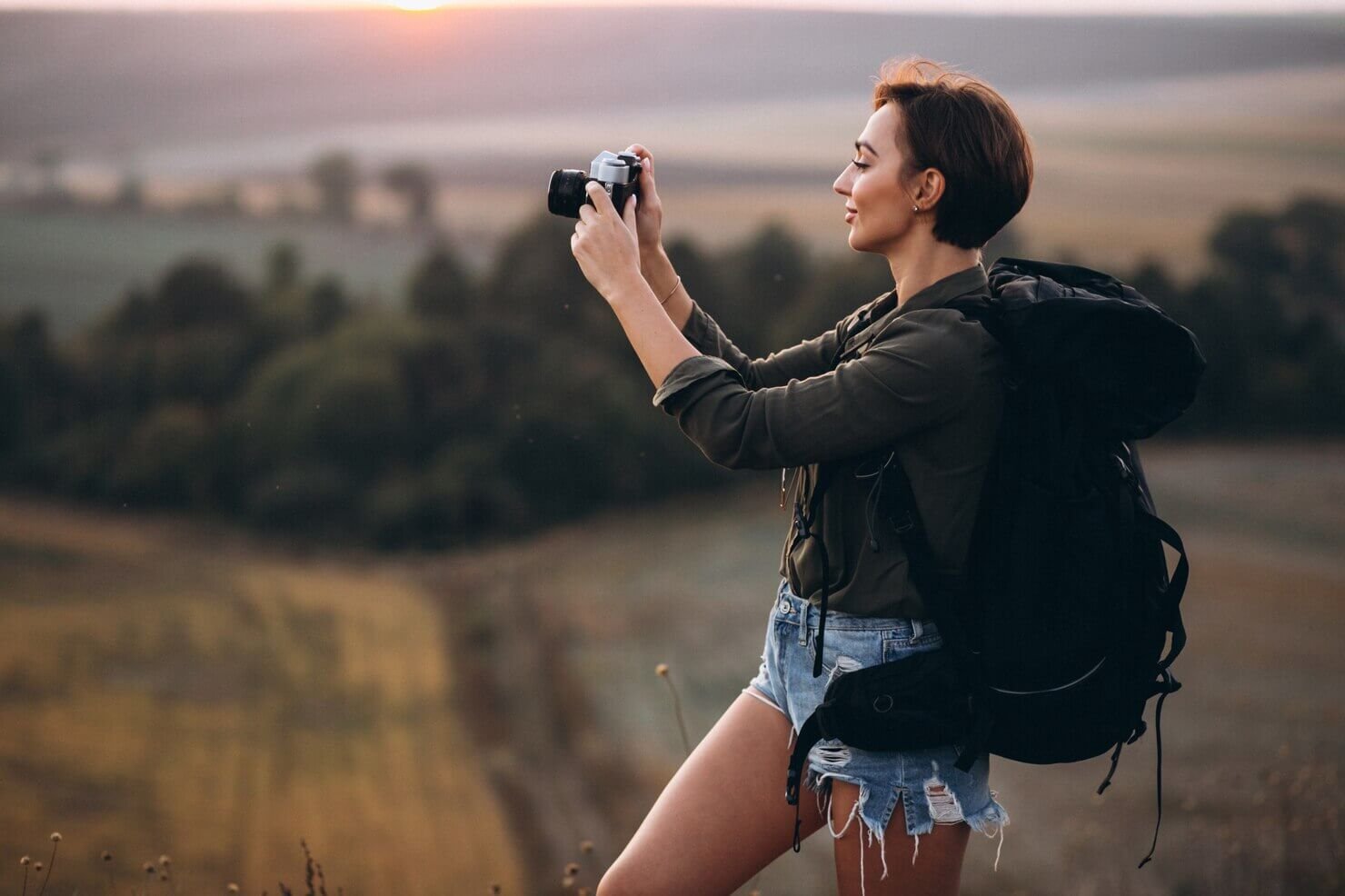
When women plan solo weekend trips around photography, the hesitation is rarely about the camera. It’s about being alone with intention—standing still, observing, waiting for light, and trusting that the moment will come without needing to rush or justify your presence. That kind of quiet focus can feel vulnerable at first, especially when you’re traveling solo.
Near Austin, photography works beautifully for solo travel because the landscape invites slowness. Soft morning light, reflective water, wide skies, and walkable viewpoints make it easy to move at your own pace. You’re not chasing epic hikes or remote overlooks. You’re responding to light, texture, and mood—and those are things you can do calmly and safely on your own.
This guide isn’t about technical mastery or “must-get” shots. It’s about photo experiences that feel emotionally comfortable: places with clear access, visible paths, and enough everyday activity that being alone feels normal. These are spots where you can pause, reframe, take a few photos, and move on—without pressure.
Photography gives solo travel a gentle purpose. It anchors you in the present, gives structure to wandering, and turns observation into something meaningful. When the setting supports you, photo walks near Austin become not just visually rewarding, but deeply grounding.
Table of Contents
ToggleWhy Photography Trips Near Austin Work Beautifully for Solo Women
Photography pairs naturally with solo travel because it gives you permission to slow down. You’re not wandering aimlessly—you’re observing, framing, waiting for light. That sense of purpose makes being alone feel intentional rather than exposed, which is especially reassuring on short weekend trips.
What makes photography near Austin particularly supportive is how accessible beauty is. You don’t need to disappear into remote landscapes to find compelling shots. Reflections on water, tree canopies, architectural lines, and changing skies are woven into everyday spaces. This means you can create meaningful images while staying in places that feel familiar, visible, and emotionally comfortable.
Photography also reduces social pressure. Standing still with a camera feels normal. Pausing, stepping aside, or revisiting the same spot doesn’t draw attention—it looks purposeful. Many solo women tell me this is the moment they stop feeling self-conscious and start feeling absorbed in the experience.
There’s also a confidence loop that forms quickly. You notice something, you capture it, and the result matches what you saw. That small success reinforces trust in your instincts. Over a weekend, those moments stack up—not just as photos, but as proof that you can move through a place calmly, creatively, and on your own terms.
That’s why photography works so well for solo weekends. It turns observation into grounding, and solitude into something quietly powerful.
Core Comfort & Practical Principles for Solo Photo Adventures
Solo photography feels best when the experience is predictable, flexible, and light—both mentally and physically. These principles help keep your focus on seeing and creating, rather than managing logistics or scanning for discomfort.
Daylight Windows That Feel Easy, Not Rushed
Light sets the emotional tone. Early morning and late afternoon usually feel calm, spacious, and forgiving—especially around Austin. Morning light brings quiet paths and soft contrast; golden hour adds warmth without the pressure of staying late. Choosing one light window per outing keeps the experience grounded.
Choosing Spots With Clear Access and Visible Paths
Comfort comes from knowing where you are and how to leave. Look for places with obvious entrances, paved or well-trodden paths, and nearby activity. When routes are clear, you can pause to frame shots without worrying about navigation or isolation.
Safety in Familiarity & Traffic Awareness
You don’t need empty spaces to make beautiful images. Areas with light, steady activity often feel more reassuring—and they still offer compelling compositions. Be aware of bikes, joggers, and cars, but don’t over-monitor. Familiar-feeling places let creativity lead.
Minimizing Gear Stress (Light + Essential)
Less gear equals more freedom. A single camera or phone, one lens, and essentials (water, sunscreen) keep decisions simple. Overpacking can pull attention away from seeing. When your setup feels light, you’re more likely to linger, experiment, and enjoy the process.
Planning Flexible Pacing Without Pressure
Photography thrives on permission. Permission to wait. Permission to walk away. Permission to return later. Choose spots where you can stay ten minutes or an hour without committing. Flexibility preserves confidence—and keeps photo walks restorative instead of demanding.
When these principles guide your choices, solo photography becomes calm and immersive. You’re not chasing shots—you’re noticing them.
Best Photography Spots Within Austin
When you’re photographing solo, the most supportive spots are ones that let you pause without pressure. Within Austin, that often means places with clear paths, mixed everyday activity, and visual interest that doesn’t require long walks or perfect timing. These spots work well because you can arrive, take a few thoughtful frames, and leave feeling satisfied—no chasing required.
Urban & Architectural Photo Routes
1. South Congress Avenue
South Congress is ideal for solo photo walks because movement is expected and stopping feels normal.
Why it works:
-
Clean sightlines with layered street scenes
-
Shops, signs, and pedestrians add scale
-
Easy to step aside and frame shots without attention
Morning light keeps the pace calm and uncluttered.
Water Views, Trails, and Cityscapes
2. Lady Bird Lake
This area offers reflections, skyline angles, and gentle movement.
What supports solo photography:
-
Flat, walkable paths with many access points
-
Water reflections that change quickly with light
-
Plenty of space to pause without blocking others
It’s especially forgiving if you’re working slowly.
Sunset & Golden Hour Favorites
3. Pfluger Pedestrian Bridge
A reliable spot for symmetry, silhouettes, and warm light.
Why solo women like it:
-
Clear entry and exit points
-
Constant but light foot traffic
-
Strong compositions even with a phone
Arrive a little early and leave when you’re ready—no pressure to stay late.
Hidden Nooks That Feel Calm for Solo Shoots
4. Mayfield Park and Nature Preserve
This feels like a quiet garden rather than a hike.
What makes it supportive:
-
Short paths and benches for lingering
-
Soft shade and textured details
-
Calm energy that invites close-up shots
It’s perfect for detail-focused photography when you want quiet without isolation.
These Austin spots work because they meet you where you are. You don’t have to prove anything or wait for perfection. You notice, frame, capture—and that’s enough.
Scenic Nature Photo Stops Just Outside Austin
If you want a change of scenery without adding complexity, short drives outside Austin offer open views, softer light, and calmer pacing—all ideal for solo photography. These spots are especially supportive because they combine natural beauty with clear access and predictable paths, so you can focus on seeing rather than navigating.
Hill Country Views With Minimal Hiking
5. Dripping Springs (scenic pull-offs and short walks)
The landscapes around Dripping Springs offer rolling hills, limestone textures, and big skies—often visible right from the roadside or a brief walk.
Why it works solo:
-
Little to no hiking required for strong frames
-
Open sightlines that feel grounding, not isolating
-
Soft morning and late-afternoon light
It’s perfect when you want classic Hill Country shots without committing to trails.
Riverside & Lakeside Frames
6. Wimberley
Water, cypress trees, and small-town edges create calm, layered compositions.
What supports solo photography:
-
Short paths near water access
-
Reflections that change with light and breeze
-
Easy transitions between nature and town
You can work slowly here and still feel oriented.
Wildflower & Open Field Spots (Seasonal)
7. Ennis (spring wildflower areas)
In season, open fields and roadside blooms offer color without effort.
Why it’s supportive:
-
Pull-off-friendly viewing areas
-
No pressure to walk far
-
Strong compositions even from a distance
This works best when you want visual impact without lingering.
Elevated Views Without Steep Trails
8. Mount Bonnell
A short climb delivers wide views quickly.
Why solo women choose it:
-
Clear endpoint and fast payoff
-
Daytime activity makes it feel normal
-
You can arrive, shoot, and leave easily
It’s ideal for a quick perspective shift rather than a long session.
These spots work because they reward observation without demanding endurance. You arrive, notice the light, take a few frames, and move on—keeping solo photography calm, creative, and confidence-building.
How to Choose a Spot Based on Your Solo Mood
One of the quiet gifts of solo photography is that you don’t have to commit to a single way of seeing. Your mood can change with the light, the weather, or simply how your body feels that day. Choosing photo spots based on how you want to feel, rather than what you want to capture, keeps solo outings grounded and enjoyable.
Calm Dawn & Soft Light Walks
If you’re craving quiet and emotional steadiness, early morning walks are often the most supportive.
These usually feel best when:
-
Light is soft and forgiving
-
Fewer people are around
-
You can move slowly without interruption
Dawn photography invites presence. Even simple scenes feel meaningful when the world is still.
Warm Golden Hour Views
When you want warmth and gentle energy, golden hour delivers without requiring urgency.
Look for spots where:
-
Light wraps rather than contrasts
-
You don’t need to chase the sun
-
Leaving early still feels complete
Golden hour works well when you want beauty without pressure.
Midday Urban Energy Frames
Some days you want movement, color, and texture.
Urban environments support this mood because:
-
Stopping feels normal
-
Lines, shadows, and reflections are everywhere
-
You can work quickly or slowly
This is ideal when your energy is higher and curiosity leads.
Quiet Natural Details Close to Ground
If you’re feeling inward or reflective, close-up details can be deeply satisfying.
This often looks like:
-
Leaves, water ripples, stone textures
-
Garden paths or shaded preserves
-
Fewer wide shots, more observation
Choosing based on mood keeps photography aligned with care, not performance. When you honor how you feel, the images tend to follow naturally.
Practical Weekend Itineraries Combining Photography + Calm Exploration
Photography-focused weekends work best when you build around light and energy, not distance or volume. Near Austin, a few well-timed photo walks can feel far more satisfying than trying to cover multiple locations in one day. The goal is to create space to notice, pause, and enjoy—without rushing or overcommitting.
Easy Morning-Focused Half Days
Morning is often the most forgiving window for solo photography. Start with one walkable spot, arrive early, and give yourself permission to linger.
A calm rhythm might look like:
-
One primary photo walk in soft morning light
-
A seated coffee or breakfast afterward
-
A short second stroll only if energy is there
Ending early keeps the rest of the day open and relaxed.
Sunset-to-Star-Time Frames (Without Pressure)
Golden hour doesn’t have to turn into a late night. Choose a spot where you can arrive early, shoot briefly, and leave as the light fades.
What helps:
-
Clear paths back to parking
-
Familiar-feeling locations
-
No expectation to stay until dark
You get the warmth of evening light without fatigue.
Low-Effort Midday Options
Midday photography works best when effort is minimal and shade is available.
Good choices include:
-
Urban routes with architectural interest
-
Short garden walks or lake paths
-
Places where you can work in short bursts
This approach pairs well with lunch or rest and prevents burnout.
By structuring weekends around one or two intentional photo windows, you keep photography joyful rather than demanding. The images become souvenirs of presence—not proof of productivity—and that’s what makes solo photo weekends near Austin feel truly restorative.
Common Missteps Solo Photographers Make (and How to Avoid Them)
Most uncomfortable solo photo outings don’t come from lack of skill—they come from small planning choices that quietly add pressure. Being aware of these patterns helps keep photography near Austin calm, enjoyable, and confidence-building.
One frequent misstep is packing too much gear. Extra lenses and accessories often create decision fatigue and physical strain. A lighter setup makes it easier to linger, notice details, and move freely.
Another is ignoring light timing. Arriving too late for soft light—or staying too long trying to force a shot—can turn a peaceful outing into frustration. Choosing one clear light window usually leads to better images and a better experience.
Some solo photographers also choose inaccessible spots—long walks, unclear paths, or areas that feel remote—thinking they’ll be more “special.” In reality, accessible locations often produce stronger work because you can focus on seeing, not navigating.
Finally, there’s the trap of expecting perfection over presence. When every frame feels like it has to “work,” the experience tightens. Letting yourself take imperfect photos keeps creativity open and the outing restorative.
Avoiding these missteps isn’t about lowering standards. It’s about choosing conditions that support you—so photography stays a source of calm, not pressure.
Final Thoughts on Photography Trips Near Austin
Photography-focused weekend trips near Austin offer solo women something rare: a reason to slow down without needing to explain why. When your purpose is to notice light, texture, and mood, stillness feels intentional rather than awkward. You’re not filling time—you’re engaging with it.
What makes these trips especially supportive is how accessible beauty is around Austin. You don’t need remote overlooks or strenuous hikes to create meaningful images. Walkable paths, water edges, quiet gardens, and everyday streetscapes provide more than enough visual depth—without demanding endurance or constant alertness.
I’ve seen many women finish a solo photo walk feeling steadier than when they started. Not because they captured a “perfect” image, but because they trusted their pace, their eye, and their instincts. That trust is what lingers. It carries into the rest of the weekend—and into future solo trips.
Photography works because it turns being alone into presence, and presence into purpose. When the environment supports you, the camera becomes less about documenting and more about connecting. And that connection—quiet, focused, and self-directed—is what makes solo photography trips near Austin so deeply restorative.
Related Posts
- Holiday Weekend Planning for Solo Women Travelers From Austin
- Trips
- Privacy Policy
- FAQs
- Packing Checklist for Solo Female Weekend Trips from Austin
- One-Night Solo Female Weekend Trips from Austin (Calm, Confident & Completely Doable)
- How to Tell If a Weekend Trip Is Right for Solo Female Travel
- Best Hiking Trails Near Austin for Solo Female Weekend Trips