
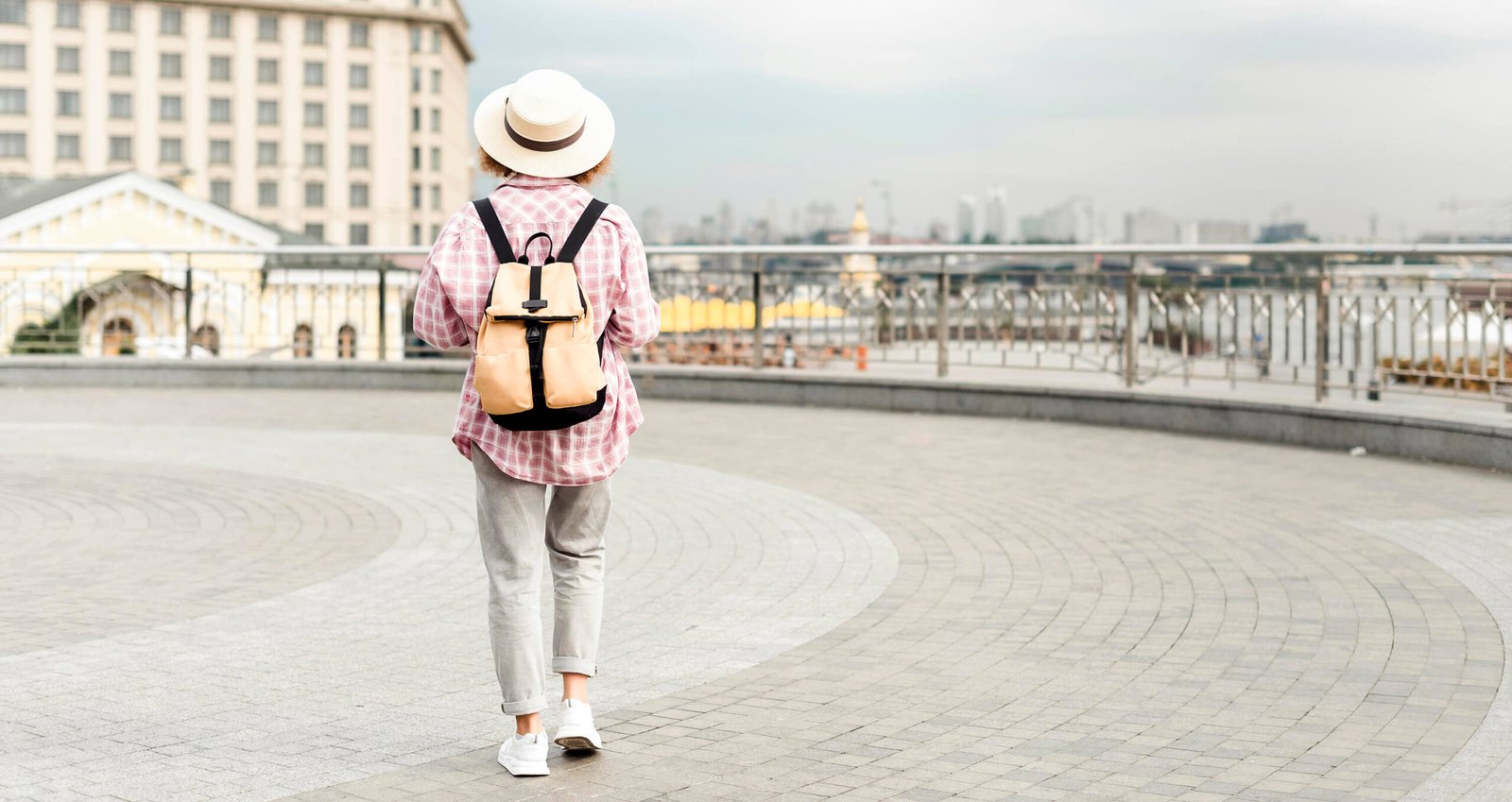
If you’ve been thinking about taking your first solo weekend trip from Austin, but haven’t quite moved from thinking to planning, there’s nothing wrong with you. Most women don’t hesitate because they lack courage. They hesitate because they want to feel safe, emotionally comfortable, and confident that they’re making the right decision for themselves. That pause you’re in right now is thoughtful — not fearful.
For many Austin women, solo travel doesn’t begin with a plane ticket or a far-away destination. It begins with a quiet question: Could I handle a weekend on my own? A short trip feels different than a long one. It doesn’t demand a complete identity shift or a huge leap of faith. It simply asks you to step slightly outside your routine and see how it feels to choose everything for yourself — where you go, when you rest, what you do next.
Austin is one of the easiest places to start. You’re surrounded by destinations that are close enough to feel familiar, yet different enough to create space. You don’t have to navigate airports, unfamiliar systems, or complex logistics. That simplicity matters when you’re traveling alone for the first time, because it leaves room for the experience itself instead of constant problem-solving.
This guide isn’t here to push you or convince you that solo travel is always magical. It’s here to help you start gently. To understand what first-time solo travel actually feels like, what’s normal to worry about, and how to plan a weekend that feels supportive instead of overwhelming. You don’t need to become braver or more adventurous to begin.
You just need a place to start — and Austin gives you exactly that.
Table of Contents
ToggleWhy a Weekend Trip Is the Best Way to Start Solo Travel
For first-time solo travelers, the idea of being away alone for an extended period can feel like too much, too fast. A weekend trip lowers that emotional barrier in a very real way. It fits into your existing life without asking you to rearrange everything. You’re not stepping away for weeks or committing to something that feels irreversible. You’re simply giving yourself a small window of independence, with a clear beginning and end.
A short trip also creates a sense of psychological safety. When you know you’ll be home in a day or two, your mind stays calmer. You’re less likely to spiral into worst-case scenarios or feel pressure to “get it right.” That containment makes it easier to stay present and actually notice how the experience feels, rather than constantly evaluating whether you made the wrong decision.
Austin makes this kind of starting point especially accessible. You’re surrounded by places that can be reached without complex planning, unfamiliar transportation systems, or overnight travel fatigue. Being able to get in your car and arrive somewhere within a few hours removes layers of stress that often overwhelm first-time solo travelers before the trip even begins.
Most importantly, a weekend trip reframes solo travel as something you’re exploring, not something you’re committing to forever. There’s no expectation that this trip defines you or sets a standard for all future travel. It’s simply a starting point — and starting small is often what allows women to start at all.
What “First-Time Solo” Actually Means
You’re Probably More Capable Than You Think
Many women underestimate themselves when they label their first solo weekend trip as something daunting or unfamiliar. In reality, if you live in Austin, you already navigate independence daily. You drive on your own, make decisions solo, handle unexpected situations, and move through public spaces confidently. Solo travel doesn’t suddenly require a new personality or a higher level of bravery — it simply places those existing skills into a different setting.
What changes isn’t your capability, but your awareness of it. When you travel alone, you notice your decisions more clearly because there’s no one else to defer to. That heightened awareness can feel intense at first, but it’s also what builds trust in yourself. Each small choice — where to eat, when to rest, how to spend the afternoon — reinforces that you’re capable of taking care of your own needs.
Why Fear and Readiness Can Exist at the Same Time
It’s common to believe that readiness means feeling calm and confident before you leave. For most first-time solo travelers, that calm arrives later. Feeling nervous doesn’t cancel out readiness; it often accompanies it. Fear shows up because something matters to you, not because you’re unprepared.
You don’t need to eliminate uncertainty to begin. You only need enough curiosity to move forward despite it. Many women discover that the moment they arrive at their destination, the anxiety softens into something quieter — a mix of alertness, relief, and a surprising sense of pride.
What First-Time Solo Travel Does Not Require
Traveling alone for the first time does not require cutting yourself off from support. Checking in with someone you trust, sharing your location, or calling home in the evening can make the experience feel grounded rather than isolating. Independence and connection can coexist.
It also doesn’t require a perfect plan or a packed itinerary. You’re allowed to move slowly, change your mind, or spend more time resting than exploring. Being a first-time solo traveler simply means giving yourself permission to experience a weekend on your own terms — thoughtfully, gently, and without pressure to perform.
Understanding the Emotional Experience of Traveling Alone for the First Time
Pre-Trip Anxiety and Decision Paralysis
Before your first solo weekend, the most intense emotions often show up before you ever leave Austin. You might find yourself going back and forth on destinations, accommodations, or dates, even after you’ve technically decided. This isn’t because you’re bad at planning. It’s because planning alone removes the external validation many women are used to having. There’s no one else to confirm that you’ve chosen the “right” option, so your mind fills that silence with doubt.
This stage can feel surprisingly heavy, and it often peaks right before departure. Many first-time solo travelers assume this means they should cancel or postpone. In reality, this is simply your nervous system adjusting to doing something new. Anxiety at this stage is common, and it usually fades once you’re physically on the road.
The Emotional Shift After Arrival
Something subtle often happens after you arrive at your destination. The mental noise quiets. The decisions are no longer hypothetical — they’re real and manageable. You check in, unpack, and realize that nothing dramatic has happened. You’re okay. That realization alone can feel grounding.
For many women, this moment marks a shift from anticipation to presence. The fear doesn’t always disappear completely, but it becomes less loud. You start focusing on what’s around you instead of what might go wrong. This is where solo travel begins to feel less like a challenge and more like an experience.
How Confidence Builds Through Small Moments
Confidence during your first solo trip doesn’t arrive in a single, triumphant moment. It builds quietly through small, ordinary actions. Ordering food alone. Navigating a new area. Choosing to rest instead of pushing yourself to explore. Each of these moments reinforces that you can trust yourself.
By the end of the weekend, many women realize that the confidence they were waiting for didn’t come before the trip — it came from it. And that understanding often changes how they approach independence far beyond travel.
How Far You Should Go for Your First Solo Weekend from Austin
Why Proximity Matters More Than the Destination Itself
When you’re traveling alone for the first time, distance plays a much bigger role in how safe and comfortable you feel than the name of the place you’re visiting. Staying closer to Austin creates a psychological safety net. You know the roads, the culture feels familiar, and there’s comfort in knowing that home isn’t far away if you need it. That closeness reduces background stress, even if you don’t consciously notice it.
Many first-time solo travelers assume they need to choose a destination that feels exciting or impressive to make the trip “worth it.” In reality, the best first trip is one that feels emotionally manageable. The goal isn’t to test your limits. It’s to allow yourself to relax into the experience without constantly monitoring how far you are from home.
Ideal Driving Time for a Confidence-Building Trip
For most Austin women, the ideal range for a first solo weekend trip is a short, straightforward drive that doesn’t feel exhausting. Long driving days can amplify fatigue and anxiety, especially when you’re alone. A manageable drive allows you to arrive feeling calm rather than depleted, which sets the tone for the entire weekend.
Shorter drives also give you flexibility. If traffic, weather, or energy levels change, you’re not locked into an intense journey. That flexibility helps you feel more in control, which is especially important when you’re building confidence.
When Staying Close Is the Smartest Choice
Choosing a nearby destination isn’t a sign of playing it safe in a negative way. It’s a strategic decision that supports emotional ease. Many women find that staying close allows them to focus on how it feels to be alone rather than worrying about logistics, navigation, or unfamiliar systems.
Your first solo weekend isn’t about proving how far you can go. It’s about discovering how comfortable you can feel when you go at your own pace. Distance can always be expanded later — confidence is built first.
Choosing the Right Destination Type for Your First Solo Trip
Quiet Towns vs. Lively Small Cities
One of the most important choices you’ll make for your first solo weekend is the type of place you visit. Quiet towns often appeal to women who want rest, reflection, and a slower pace. They can feel calming, especially if you’re craving space away from noise and crowds. However, too much quiet can sometimes feel isolating if you’re not used to being alone for extended periods.
Lively small cities offer a different kind of comfort. There’s more visible activity, open cafés, and people moving about, which can feel reassuring when you’re traveling alone for the first time. You’re still independent, but not completely removed from social energy. Neither option is better — the right choice depends on what makes you feel at ease.
Nature-Focused Escapes vs. Town-Centered Stays
Nature-based destinations can be deeply grounding, especially for first-time solo travelers who want to disconnect and reset. Being surrounded by natural beauty often reduces mental noise and makes solitude feel intentional rather than lonely. That said, it’s important to consider how much structure you’re comfortable with. Long stretches of unplanned time in nature can feel overwhelming if you’re not used to it.
Town-centered stays provide more built-in rhythm. You can walk to coffee, browse shops, or sit somewhere public without feeling exposed. This structure can be comforting on your first trip, as it removes pressure to constantly decide what to do next.
Why Familiarity Beats “Bucket List” Pressure
For your first solo weekend, familiarity matters more than novelty. A place that feels culturally similar to Austin — in pace, values, or atmosphere — often feels safer and more relaxing. You don’t need to choose the most photographed or talked-about destination to have a meaningful experience.
Bucket list thinking can create unnecessary pressure to perform or maximize every moment. Your first solo trip isn’t about collecting experiences. It’s about learning how you feel traveling alone. Choosing a destination that feels approachable allows that learning to happen naturally, without added stress.
Where to Stay as a First-Time Solo Female Traveler
Hotels vs. Vacation Rentals for Solo Women
Choosing where to stay can have a bigger emotional impact than many first-time solo travelers expect. Hotels often feel reassuring because there’s structure built in. Front desks, staff presence, and clearly defined check-in and check-out processes can reduce uncertainty, especially when you’re alone. For many women, that visible support creates a sense of ease that allows them to relax more fully.
Vacation rentals can also work well, particularly if you value privacy and quiet. However, they tend to require a bit more confidence. Self check-in, limited on-site help, and less immediate human interaction can feel unsettling if you’re already feeling unsure. This doesn’t mean rentals are unsafe — only that they may feel better suited once you’ve had at least one solo trip under your belt.
Why Location Matters More Than Amenities
For a first solo weekend, where you stay is often more important than how luxurious the place is. Being in a central or well-connected area can dramatically reduce stress. You’re less likely to worry about late arrivals, dark surroundings, or long drives back at night. That ease adds up over the course of the weekend.
Location also affects how spontaneous you can be. When things are close by, you can step out for a coffee or a short walk without overthinking logistics. That simplicity makes solo travel feel lighter.
- Central or walkable area
- Easy parking or straightforward access
- Some form of visible presence nearby
Emotional Safety Cues to Pay Attention To
Emotional safety isn’t just about locks and lighting. It’s about how a place makes you feel. Trust that instinct. If a stay looks good on paper but something about it feels off, it’s okay to choose differently. Your comfort matters, especially on your first trip.
The right accommodation doesn’t need to impress anyone. It just needs to support you — quietly, consistently, and without adding unnecessary stress.
Transportation Decisions That Affect Confidence and Comfort
Driving Yourself vs. Other Transportation Options
For many first-time solo travelers in Austin, driving themselves feels like the most comfortable option. You control when you leave, when you arrive, and how often you stop. That control can be grounding when you’re navigating a new experience on your own. There’s also familiarity in being in your own car, which can feel like a small piece of home traveling with you.
Other transportation options can work, but they often introduce layers of uncertainty — schedules, transfers, or waiting alone in unfamiliar places. For a first solo weekend, simplicity usually supports confidence better than efficiency. Choosing the option that feels most predictable and flexible can make a noticeable difference in how relaxed you feel throughout the trip.
Arrival Timing and Daylight Considerations
When you’re traveling alone for the first time, timing matters more than you might expect. Arriving during daylight can significantly reduce stress. It’s easier to orient yourself, find your accommodation, and get comfortable when you can see your surroundings clearly. Even if it means leaving Austin earlier than planned, daylight arrival often pays off emotionally.
Departure timing matters too. Leaving before you feel rushed allows you to stay present rather than anxious. Giving yourself a buffer — both on the way there and on the way back — keeps the experience feeling gentle instead of pressured.
Why Flexibility Builds Confidence
Rigid schedules can increase anxiety, especially when you’re solo. Traffic delays, low energy, or unexpected detours feel heavier when you’re alone if you’ve planned too tightly. Flexibility allows you to adapt without feeling like something has gone wrong.
Your first solo weekend isn’t about optimizing travel time. It’s about creating a rhythm that feels supportive. When you give yourself permission to adjust as needed, confidence tends to follow naturally.
What a First-Time Solo Weekend Should Not Look Like
Why Packed Itineraries Increase Stress
It’s tempting to plan your first solo weekend down to the hour, especially if you’re used to traveling with others or feel pressure to “make the most” of your time away. But for first-time solo travelers, packed itineraries often do the opposite of what they’re meant to do. Instead of creating excitement, they create constant decision-making and self-monitoring, which can be exhausting when you’re alone.
When every moment is scheduled, there’s little room to check in with how you actually feel. Fatigue, overstimulation, or emotional overwhelm can creep in quietly, and without flexibility, you may push past your own needs just to stay on track. That pressure can make solo travel feel harder than it needs to be.
Letting Go of the Need to “Make the Most of It”
First-time solo travel is not a performance. You don’t need to prove that you’re adventurous, productive, or constantly enjoying yourself. Some of the most meaningful moments on a solo weekend come from doing very little — sitting with a coffee, taking an unplanned walk, or resting when your body asks for it.
Comparing your experience to curated social media trips or seasoned solo travelers can quietly undermine your confidence. Your first weekend away is about learning how it feels to be with yourself in a new place. That learning can’t be rushed or optimized.
Avoiding Comparison to Experienced Solo Travelers
Every solo traveler starts somewhere. Comparing your first trip to someone else’s tenth or twentieth can create unnecessary self-doubt. Comfort grows with experience, and it’s normal for your first weekend to feel tender, slow, or emotionally layered.
There’s no “right” way for this trip to look. If you come home feeling proud that you went, that’s enough. Everything else builds from there.
How to Gently Structure Your First Solo Weekend
Arrival Day Expectations and Decompression
Your arrival day sets the emotional tone for the entire weekend, so it helps to keep expectations light. After the drive from Austin, your nervous system may still be adjusting, even if you’re excited. Giving yourself time to settle in — unpacking slowly, resting for a bit, or stepping outside for a short walk — allows your body and mind to catch up with where you are.
This is not the day to push yourself to explore everything. Many first-time solo travelers feel a quiet sense of relief once they arrive, followed by a dip in energy. That’s normal. Let arrival day be about orientation rather than achievement.
Middle-Day Pacing and Decision-Making
The middle day is often when solo travel starts to feel more natural. You’ve slept in the space, learned the rhythm of the area, and your mind is less focused on logistics. This is a good day for gentle exploration — one or two activities that feel interesting without overloading your schedule.
It’s also a day where flexibility matters. You may wake up wanting quiet rather than adventure, or vice versa. Listening to that instinct builds trust in yourself. There’s no one else’s expectations to manage, which can feel both freeing and unfamiliar at first.
Leaving Intentional Space for Rest
Rest is not a sign that you’re wasting your trip. On your first solo weekend, rest is part of the experience. Whether it’s an afternoon break, an early night, or time spent doing nothing in particular, these pauses help regulate emotions and prevent overwhelm.
Why Flexibility Builds Confidence
When you allow plans to shift, you reinforce that you can handle changes calmly. That sense of adaptability is one of the most empowering outcomes of solo travel. You’re not just learning how to travel alone — you’re learning how to trust yourself in motion.
Safety Habits That Feel Supportive, Not Paranoid
Situational Awareness Without Fear-Based Thinking
Safety on your first solo weekend isn’t about being constantly alert or assuming something will go wrong. It’s about staying gently aware of your surroundings while still allowing yourself to relax. Simple awareness — noticing who’s around you, understanding the general flow of an area, and choosing well-lit, comfortable spaces — is usually enough. When awareness is calm rather than anxious, it supports confidence instead of draining it.
Fear-based thinking can make solo travel feel tense and exhausting. You don’t need to imagine worst-case scenarios to stay safe. Most of the time, your instincts will guide you naturally if you give yourself space to listen to them.
Trusting Intuition Instead of Over-Researching
Research can be helpful, but too much of it can increase anxiety. Reading endless safety warnings or worst-case stories often creates fear that isn’t grounded in your actual experience. Instead of trying to prepare for every possibility, focus on feeling into situations as they arise.
If something feels off, it’s okay to leave, change plans, or choose a different option. You don’t need a logical explanation to honor that feeling. Trusting intuition is a skill, and solo travel strengthens it through real-time practice.
How to Feel Safe Without Constant Vigilance
Feeling safe doesn’t mean being on guard every moment. It means choosing environments and routines that naturally support comfort. Eating in places that feel welcoming, returning to your accommodation before you’re overly tired, and keeping your phone charged are small actions that create a sense of stability.
Your first solo trip should feel supportive, not stressful. Safety habits work best when they fade into the background, allowing you to focus on the experience rather than the risks.
Loneliness, Homesickness, and Quiet Moments
Why Loneliness Can Show Up Unexpectedly
Even women who enjoy their own company can be surprised by moments of loneliness during their first solo weekend. This doesn’t mean you chose the wrong destination or that solo travel isn’t for you. Loneliness often appears when the external stimulation quiets down — in the evening, during meals, or after a full day of being “on” mentally.
What’s important to understand is that loneliness isn’t always a sign of missing other people. Sometimes it’s simply the absence of distraction. When you’re alone, there’s more space for emotions to surface, and that can feel unfamiliar at first.
Differentiating Solitude from Isolation
Solitude and isolation can feel similar on the surface, but they’re emotionally different. Solitude is chosen and nourishing. Isolation feels heavy and unwanted. On your first solo trip, you may move back and forth between the two, and that’s okay.
Solitude often feels best when it’s balanced with small points of connection — sitting in a café, chatting briefly with a shop owner, or being around other people without needing to engage deeply. These moments remind you that you’re alone, but not cut off.
Gentle Ways to Ground Yourself Emotionally
When quiet moments feel heavier than expected, grounding helps. Doing something familiar — reading, journaling, calling someone you trust, or taking a slow walk — can re-anchor you. You’re not trying to eliminate loneliness; you’re allowing it to pass without judgment.
Many women find that learning to sit with these moments becomes one of the most meaningful parts of solo travel. It builds emotional resilience that carries into everyday life long after the trip ends.
Budgeting Your First Solo Weekend Without Stress
Why Spending Slightly More Can Increase Comfort
For your first solo weekend, budgeting isn’t just about numbers — it’s about how supported you feel. Many women find that spending a little more on certain things reduces anxiety in meaningful ways. A well-located stay, reliable transportation, or a place where you feel comfortable dining alone can create emotional ease that’s worth far more than the extra cost.
Trying to make everything as cheap as possible can add hidden stress. Long drives to save on accommodation, inconvenient locations, or constantly worrying about expenses can pull your attention away from the experience itself. Your first solo trip is not the time to challenge yourself financially. It’s a time to feel steady.
Budgeting for Peace of Mind, Not Perfection
A helpful way to think about budgeting is to ask where comfort matters most to you. That might be accommodation, food, or flexibility. There’s no universal rule. What matters is choosing spending priorities that help you relax rather than second-guess yourself.
You don’t need a detailed spreadsheet to feel prepared. A loose budget that includes room for small, spontaneous decisions often feels more supportive than a rigid plan. When you know you have margin, you’re less likely to feel trapped by choices.
Avoiding Money-Related Anxiety During the Trip
Money anxiety can sneak in when you’re alone because there’s no one to share decision-making with. To reduce this, remind yourself that the purpose of the trip is experience, not optimization. You’re allowed to enjoy a meal, rest when you need to, and make choices that feel good in the moment.
When your budget supports your emotional comfort, your first solo weekend feels lighter, calmer, and more sustainable — which is exactly what you want when you’re just starting out.
How Your First Solo Trip Changes the Way You See Yourself
Confidence Carryover Into Everyday Life
One of the most unexpected outcomes of a first solo weekend isn’t what you see or do — it’s how you feel when you return to Austin. Having navigated a trip on your own, even a short one, often shifts something internally. Everyday decisions feel a little easier. Situations that once felt intimidating start to feel manageable. You’ve proven to yourself, quietly and without fanfare, that you can take care of yourself in unfamiliar settings.
This confidence doesn’t announce itself loudly. It shows up subtly, in the way you trust your judgment more or hesitate less before making small choices. Over time, these shifts add up.
Learning to Trust Your Own Preferences
Traveling alone removes the need to compromise. You choose when to wake up, what to eat, and how to spend your time without checking in with anyone else. On your first solo weekend, this freedom can feel unfamiliar, but it’s also deeply revealing. You begin to notice what you actually enjoy, not what you’ve adapted to for others.
This awareness often carries into daily life. Women frequently return from their first solo trip with a clearer sense of their needs, boundaries, and rhythms. That clarity can be empowering in ways that go far beyond travel.
Why Most Women Wish They Had Started Sooner
Many first-time solo travelers look back and realize that the anticipation was harder than the trip itself. Once the experience is complete, the fears that once felt so loud often seem smaller in hindsight. That realization doesn’t mean the fears were irrational — it simply means they were part of the process.
Starting sooner isn’t about regret. It’s about recognizing that you didn’t need to be perfectly ready. You just needed to begin. And that beginning often changes how you approach independence in every area of life.
When You’re Ready for Your Second Solo Weekend
Signs Your Comfort Level Has Grown
You don’t need to declare yourself “ready” for another solo trip. Readiness usually shows up in quieter ways. You might notice that planning feels less heavy, or that you’re curious about going a little farther next time. You may feel more relaxed about being alone in public spaces or more confident making decisions without second-guessing yourself.
Another sign is how you reflect on your first trip. If you remember moments of calm, pride, or enjoyment — even alongside uncertainty — that balance suggests growth. Comfort doesn’t mean the absence of nerves. It means you trust yourself to handle them.
How to Expand Distance or Activities Gradually
Your second solo weekend doesn’t need to be dramatically different from the first. Small expansions often feel best. That might mean driving a bit farther from Austin, staying an extra night, or choosing a destination with slightly more activity. The goal isn’t escalation for its own sake. It’s staying within a range that still feels emotionally supportive.
You might also experiment with different types of experiences — more nature, a busier town, or a new routine. Each adjustment builds on what you’ve already learned about yourself.
Letting Curiosity Guide the Next Step
Curiosity is a gentler motivator than pressure. When you let curiosity lead, your choices feel more aligned and less forced. Solo travel doesn’t need to follow a linear path. Each trip can be shaped by what you’re drawn to next.
Your first solo weekend was about learning that you can travel alone. Your second is about discovering how you want to do it. Both matter, and both deserve the same kindness you gave yourself at the start.
Final Reassurance for First-Time Solo Female Travelers from Austin
If you’ve made it this far, it’s worth pausing to acknowledge something important: the fact that you’re even considering a solo weekend trip means you’re listening to yourself. First-time solo travel isn’t about being bold or fearless. It’s about honoring a quiet desire for space, clarity, or independence — and choosing to explore it thoughtfully.
There is no perfect way for your first solo weekend to look. It doesn’t need to be productive, adventurous, or transformative in obvious ways. It simply needs to feel safe enough for you to be present. If you rest more than you explore, that’s not a failure. If you feel moments of doubt alongside moments of peace, that’s not a sign you’re doing it wrong. It’s part of learning how you move through the world on your own.
Starting small is not a limitation. It’s a form of self-trust. Every confident solo traveler you admire once stood exactly where you are now, wondering if they were ready. They didn’t wait for certainty — they chose a place to begin.
Austin gives you that starting point. The rest unfolds from there, one gentle step at a time.
Related Posts
- Homepage
- Weekend Trips Near Austin with Accessible Nature Trails for Solo Women
- Best Travel Apps for Solo Female Weekend Trips from Austin (That Actually Make You Feel Calm)
- Texas Hill Country Weekend Trips from Austin for Solo Women
- Plan
- Trips
- Solo Female Road Trips from Austin: Routes That Feel Comfortable Alone
- Small Towns Near Austin That Feel Comfortable for Solo Female Travelers