
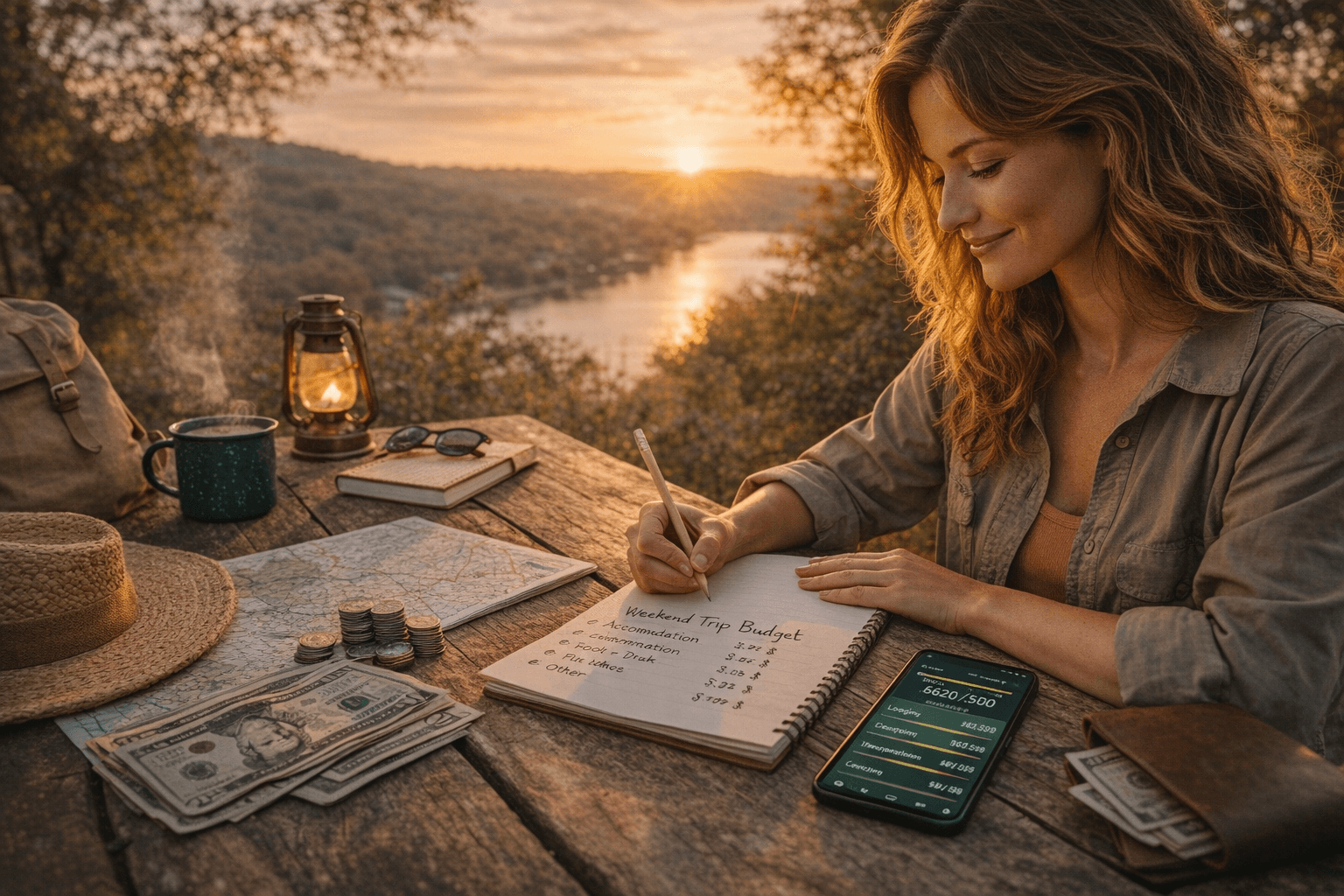
If you’ve ever sat in Austin on a Friday evening thinking, “I really need a weekend away… but how much is this going to cost me?” — you’re not alone. For many women, the biggest barrier to taking a solo weekend trip isn’t fear or confidence. It’s the budget uncertainty.
The good news is this: yes, solo female weekend trips from Austin can be affordable, safe, and genuinely relaxing — even if you’re traveling alone for the first time. You do not need a luxury budget to enjoy a reset weekend in Texas. What you do need is a realistic cost plan and a few smart choices that protect both your wallet and your peace of mind.
This guide is written specifically for solo women weekend travelers starting from Austin, Texas. It’s practical, safety-first, and budget-aware — without fear-mongering. You’ll learn:
-
What a solo weekend trip from Austin typically costs
-
How to plan trips under $250 and $350
-
A weekend budget breakdown you can reuse anytime
-
The cheapest weekend trip ideas near Austin that still feel safe
-
How to track spending without overthinking
-
What hidden costs most people forget
-
Whether driving or taking a bus is cheaper for weekend travel
Throughout the article, you’ll also see your micro FAQs answered inside the most relevant sections so every question gets a direct answer and a detailed explanation.
Because here’s the truth: weekend trip costs don’t just come from lodging. They come from a chain of small decisions — where you stay, how you eat, how you move, what you do, and when you return.
And as a solo woman, comfort and safety are not “extra.” They’re part of the budget.
If you’re ever unsure while planning, remember:
-
Trust your instincts
-
If unsure, choose well-lit, central areas
-
Plan your return route before it gets late
Now let’s get into the real numbers.
Table of Contents
ToggleWhat a Solo Female Weekend Trip From Austin Typically Costs
A solo weekend trip from Austin can cost anywhere from $150 to $650+, depending mostly on:
-
how far you travel
-
how you get there (car vs bus vs rideshare)
-
what kind of stay you choose (hotel vs Airbnb vs motel)
-
how many paid activities you include
-
whether you add comfort upgrades that help you feel safer alone
But here’s what matters most: most solo female weekend trips from Austin fall between $250 and $450 for a 2–3 day trip. That range usually covers a safe lodging option, normal food spending, and at least a couple enjoyable activities.
How much does a solo female weekend trip from Austin cost?
A solo female weekend trip from Austin typically costs $250–$450 for a safe and comfortable 2–3 day getaway. If you keep it close, book smart, and focus on free/low-cost activities, you can also do it for $150–$250.
Now let’s break this down in a way that makes it easy to plan.
Cost Ranges (Austin-Based)
Ultra-budget weekend: $150–$250
This is possible if you:
-
choose destinations within 1–2 hours of Austin
-
stay 1 night (not 2) or book very early
-
do mostly free activities
-
limit dining out
This works best for:
-
quick “reset” weekends
-
first-time solo travelers who want a short, confidence-building trip
-
low-stress nature + town combos
Balanced budget weekend: $250–$350
This is the most realistic budget for many solo women because it allows:
-
safer lodging areas (not isolated or sketchy locations)
-
1–2 paid experiences (museum, tour, springs, etc.)
-
a couple meals out without overspending
This range often feels like a “real vacation” without feeling financially heavy.
Comfortable weekend: $350–$550
This is where you get:
-
better hotels in central/walkable areas
-
more room for nice dinners or tours
-
flexibility to change plans if something feels off
Many solo women prefer this budget because it buys peace of mind.
Premium weekend: $550–$650+
This usually includes:
-
luxury stays or popular destinations during peak season
-
multiple paid activities
-
higher food/drinks spending
-
frequent rideshares
It’s totally doable — but not required to have an amazing weekend.
The Biggest Factors That Affect Your Weekend Budget
Here are the real reasons costs vary so much — and exactly where you can control spending.
1) Lodging is usually your #1 expense
For solo travelers, lodging costs hit harder because you aren’t splitting with friends. A hotel room is the same price whether one person stays or two.
What influences lodging price:
-
day of booking (late booking = higher cost)
-
destination popularity (Fredericksburg and Wimberley spike on weekends)
-
events (UT weekends, festivals, holiday weekends)
-
location (central + walkable costs more but is often worth it)
Solo travel tip: If you’re choosing between “cheaper but isolated” vs “slightly more expensive but central,” pick central. If unsure, choose well-lit, central areas.
2) Transportation costs depend on distance and your method
Driving can be cheaper if:
-
you own a reliable car
-
you’re going with short distance trips
-
you avoid paid parking
But bus travel can be cheaper if:
-
you’re going farther (Dallas, Houston, San Antonio)
-
you don’t want to pay for parking
-
you want a stress-free ride
We’ll cover car vs bus in detail later.
3) Food spending sneaks up fast
Food is where most weekend budgets quietly break.
A realistic food range for weekends:
-
budget: $30–$60/day
-
mid-range: $60–$90/day
-
comfort: $90–$140/day
You can keep food costs low without “ruining the trip” by doing:
-
breakfast groceries
-
one restaurant meal/day
-
bringing a refillable water bottle
4) Activities don’t need to be expensive
Texas weekend travel is full of low-cost experiences:
-
scenic drives
-
free downtown walking
-
parks and trails
-
live music (no-cover options)
-
local markets
Paid activities can be worth it, but you don’t need many.
5) Solo-safety choices affect spending (in a good way)
This is the part many budget posts ignore.
As a solo woman, you may choose:
-
a hotel with front desk + good reviews
-
a better location
-
paid parking to avoid walking far at night
-
rideshare instead of walking after dark
These add cost — but they also add comfort. And that’s valid.
Can You Do a Solo Weekend Trip Under $250 From Austin?
Yes — it’s absolutely possible to do a safe, fun, solo weekend trip from Austin under $250. But the key is to plan it like a short “reset weekend”, not like a full luxury vacation.
A $250 budget works best when you:
-
keep the destination close (so transportation stays cheap)
-
book early (or travel off-season)
-
choose low-cost lodging or stay only one night
-
focus on free/cheap activities
Can a solo woman do a weekend trip from Austin under $250?
Yes, a solo woman can do a weekend trip from Austin under $250 if she chooses a destination within 1–2 hours, books budget-friendly lodging early (or stays one night), and plans mostly free/low-cost activities.
Now let’s make this practical and realistic — because the “under $250” goal is only successful if the trip still feels safe and enjoyable.
What a $250 Budget Weekend Actually Looks Like (Realistic Expectations)
A $250 weekend usually means:
-
2 days / 1 night is much easier than 2 nights
-
your destination is close to Austin
-
your lodging won’t be fancy (but it can still be clean and safe)
-
you’ll do free nature + downtown walking + 1 paid activity max
This isn’t a limitation — it’s a smart strategy.
If your goal is: “I want to travel solo more often” — then a $250 weekend is a perfect start. It builds confidence, keeps risk low, and proves to you that solo travel doesn’t need to be expensive.
Best Budget Breakdown for an Under-$250 Solo Weekend Trip
Here’s a solid budget framework for staying under $250 without feeling stressed:
Transportation: $20–$55
If driving:
-
gas for nearby towns (round trip): $20–$35
-
parking: $0–$20 depending on destination
If using bus (only some places apply):
-
bus ticket: $20–$50 round trip
Lodging: $85–$120
This is the hardest part as a solo traveler.
To stay in budget:
-
choose 1 night only
-
avoid peak Saturday pricing by:
-
going Fri–Sat, or
-
Sat–Sun but booking early
-
-
choose smaller towns where lodging is cheaper
Safety note: don’t choose the cheapest hotel without checking location and reviews. Trust your instincts and prioritize well-lit areas with consistent ratings.
Food: $45–$70
A realistic plan:
-
groceries/snacks: $15–$20
-
1 casual meal: $15–$25
-
1 nicer treat: $20–$30
Activities: $0–$35
-
parks, trails, downtown walking: free
-
one paid activity (optional): $10–$35
Emergency Buffer: $10–$20
Always keep a small cushion so you don’t feel stuck if plans change.
Under-$250 Weekend Itinerary Example (Austin-Centric)
This sample itinerary is designed specifically for solo women: low stress, safe choices, and not isolated.
Option: Day trip + 1-night stay near Austin
Friday evening (Austin departure)
-
Leave Austin after work (5:30–7:00 pm)
-
Check into lodging early (before it’s late)
-
Dinner: casual (chipotle-style, diner, taco spot)
Safety tip: If unsure, choose well-lit, central areas and arrive before it gets late. Plan your return route before it gets late too.
Saturday
-
Morning: sunrise coffee + walkable downtown area
-
Midday: park/trail + photos + chill time
-
Afternoon: local market / bookstore / museum (optional paid activity)
-
Evening: early dinner + return to stay
Sunday
-
breakfast + quick walk
-
head back to Austin by afternoon
This kind of trip gives you that “weekend getaway feeling” without overspending.
Best Destinations Where Under-$250 Works Very Well
These destinations are ideal because they’re close to Austin and support low-cost weekend plans.
1) San Marcos
Why it’s great:
-
very close (cheap gas)
-
walkable areas
-
river vibes
-
outlets if shopping is your thing
Budget-friendly activities:
-
river walk
-
parks and trails
-
downtown coffee spots
2) Georgetown
Why it’s great:
-
super close
-
charming historic square
-
feels relaxing and safe
Budget-friendly activities:
-
town square walking + shopping
-
parks, photo spots
-
easy drive back to Austin anytime
3) Bastrop
Why it’s great:
-
nature + cute town vibe
-
good for quiet reset weekends
-
easy driving
Budget-friendly activities:
-
Bastrop State Park (low-cost)
-
scenic drives
-
relaxed downtown
4) Temple / Belton area
Why it’s great:
-
close enough to keep costs low
-
good lakeside nature weekends
Budget-friendly activities:
-
lake views
-
nature trails
-
quiet cafés
How to Make Under-$250 Work Without Feeling “Cheap”
Here are the 5 best strategies that make budget weekends feel genuinely enjoyable:
-
Travel closer, not farther
-
Reduce distance = reduce stress + cost
-
-
Book your stay early
-
Budget stays sell out fast near Austin
-
-
Keep it to 1 night
-
2 nights often pushes you over $250
-
-
Choose destinations with free “main attractions”
-
river towns, hiking spots, walkable downtowns
-
-
Spend on one thing that makes you feel good
-
one nice meal or one paid experience
-
it makes the trip feel meaningful
-
Can You Do a Solo Weekend Trip Under $350 From Austin?
If $250 feels a little too tight, then $350 is your best friend budget.
Because for many solo women, the goal is not just “cheap travel.” The goal is:
-
safe travel
-
comfortable travel
-
flexible travel
-
travel that doesn’t feel stressful
And $350 gives you much more breathing room for all four.
Can a solo woman do a weekend trip from Austin under $350?
Yes, a solo woman can absolutely do a weekend trip from Austin under $350, and it’s one of the most realistic budgets for a safe and enjoyable solo getaway. It typically covers a decent stay, food, transportation, and 1–2 activities.
This budget range is especially good if you want a weekend that feels like a true getaway — not a “tight-budget mission.”
Why $350 is the “Sweet Spot” Budget for Solo Women
Here’s why $350 works so well specifically for solo female travel:
1) You can book safer lodging options
Instead of choosing the cheapest possible place, you can choose a hotel that has:
-
better reviews
-
a safer, central location
-
a front desk / staff presence
-
more predictable check-in experience
This matters as a solo traveler. Paying $20–$40 more for the right area often protects your peace of mind.
2) You can stay 2 nights without panic
With $250, 2 nights is hard unless you get a lucky deal. With $350, you can often do:
-
Fri–Sun or Sat–Mon
-
or 2 nights in a lower-cost town
That makes the trip feel much more relaxing because you’re not rushing.
3) You can afford “safety flexibility”
This is huge.
Sometimes solo travel requires quick decisions like:
-
taking an Uber instead of walking at night
-
paying for parking closer to downtown
-
choosing dinner near your hotel rather than driving late
You don’t want to be stuck thinking, “I can’t afford the safer option.”
With $350, you usually can.
What a Real Under-$350 Weekend Budget Looks Like
Here’s a strong, realistic breakdown for a solo weekend trip from Austin under $350:
Transportation: $30–$75
Driving:
-
gas: $25–$45 (depending on distance)
-
parking: $0–$25
Bus (if applicable):
-
$25–$65 round trip
Lodging: $140–$200 (1–2 nights)
Depending on the destination, you can do:
-
1 nicer night OR
-
2 budget-friendly nights
The key is booking smart:
-
avoid peak weekends
-
don’t book last-minute if possible
Food: $70–$110
A healthy plan:
-
1 grocery stop: $15–$25
-
2–3 casual meals: $35–$60
-
1 “treat meal” (optional): $20–$35
This keeps you fed, happy, and not stressed.
Activities: $20–$60
Perfect for:
-
one paid experience (tour, springs, museum)
-
plus free sightseeing
Emergency buffer: $20–$30
As a solo woman, this buffer is non-negotiable.
If plans change, you should not feel trapped.
Sample Under-$350 Weekend Itinerary (Comfort + Safety)
This itinerary is designed for a solo woman who wants:
-
a relaxing pace
-
safe choices
-
a weekend that feels special (but still budget-aware)
Friday evening
-
Leave Austin after work
-
Check into your stay before it gets late
-
Dinner close to lodging (walkable or short drive)
Safety reminder: If unsure, choose well-lit, central areas. If your hotel feels off, trust your instincts and switch.
Saturday (main experience day)
-
Coffee + breakfast
-
Mid-morning walk + shopping / nature
-
Afternoon: 1 paid activity
-
Evening: early dinner + sunset spot
Sunday
-
slow breakfast
-
scenic stop on the way back
-
return to Austin before evening
This type of trip feels “full” but doesn’t cost like a big vacation.
Best Destinations Where Under-$350 Works Beautifully
This budget range opens up more Austin weekend favorites.
1) Fredericksburg (only if booked early)
Fredericksburg is popular, but $350 is possible if you:
-
book early
-
travel off-season
-
keep activities simple
Best budget-friendly experiences:
-
Main Street stroll
-
coffee shops + bakeries
-
free scenic drives
-
budget wine tasting options (optional)
2) Wimberley (nature + calm)
Wimberley is ideal for a solo reset weekend because it’s:
-
close to Austin
-
peaceful
-
not too “party energy”
Great low-cost experiences:
-
town square walking
-
markets
-
parks and trails
-
photo-friendly river spots
3) San Antonio (bus-friendly option)
This is one of the best under-$350 destinations because you can:
-
avoid driving stress
-
save on parking
-
explore walkable areas
Best cost-friendly areas:
-
River Walk (daytime)
-
Pearl District
-
missions (history + walking)
Plan smart: Plan your return route before it gets late, especially in big city areas.
4) New Braunfels / Gruene
Perfect if you love:
-
river vibes
-
music + walkable town energy
-
relaxed, friendly crowds
Where to Spend Extra for Safety (Not Luxury)
This is the biggest difference between “cheap travel” and “smart travel.”
If you’re spending under $350, spend your extra money here:
1) Better location lodging
Choose central and well-reviewed, even if it costs more.
A hotel in the wrong location can ruin the entire weekend.
2) Rideshare at night
If it’s dark and your gut says “no,” listen to it.
That $12 Uber is not wasted money — it’s peace.
3) Backup phone power
Always carry:
-
backup charger
-
charging cable
-
car charger if driving
4) Emergency cushion
Even $25 matters.
It helps if you need:
-
change of plans
-
last-minute meal
-
early checkout switch
The Best Solo Female Weekend Budget Breakdown (Austin-Based Template)
If you want an easy way to plan any weekend getaway without stress, this section is your “master template.”
Because one of the biggest mistakes solo travelers make is not planning a simple breakdown first — which leads to either:
-
overspending and regret
-
under-budgeting and anxiety
-
avoiding the trip altogether
Instead, use a repeatable budget framework that works for any solo weekend trip from Austin.
What is the best solo female weekend trip budget breakdown from Austin?
The best solo female weekend trip budget breakdown from Austin is a simple 5-part plan: transportation + lodging + food + activities + safety/emergency buffer, with most budgets working best in the $250–$450 range depending on comfort level.
Now let’s build the most useful breakdown you can reuse again and again.
The “Austin Solo Weekend Budget” Formula (Simple + Practical)
Think of your total weekend budget like this:
Total Budget = Transport + Stay + Food + Activities + Safety Buffer
This formula works whether you’re going:
-
1 hour away (Georgetown)
-
2–3 hours away (Fredericksburg, San Antonio)
-
or even further (Dallas/Houston—though that needs more budget)
1) Transportation Budget (From Austin)
Transportation is one of the easiest costs to predict — if you plan it correctly.
Driving budget (most common option from Austin)
For nearby weekend trips, driving usually costs:
-
Gas: $20–$60 round trip
-
Parking: $0–$30 (depends on destination and hotel setup)
-
Extra: $5–$15 for tolls / emergency top-up
Austin-centric tip: If you’re headed out of Austin on a weekend, build in buffer for traffic leaving the city (I-35 especially). It doesn’t always cost money, but it costs time — and time impacts your plans.
Bus budget (best for big-city weekends)
Bus travel can be the cheapest option if you’re going to:
-
San Antonio
-
Houston
-
Dallas
Typical bus cost:
-
$25–$70 round trip depending on timing
The best part is you avoid:
-
parking fees
-
driving fatigue
-
late-night return stress
2) Stay Budget (The Biggest Expense for Solo Women)
For solo travelers, lodging is the #1 budget driver because there’s no cost-sharing.
Realistic lodging ranges (Texas weekend pricing)
-
Budget stay: $80–$120/night
-
Mid-range hotel: $130–$190/night
-
Comfort + central: $190–$260/night
-
Premium: $260+/night
What solo women should prioritize when booking lodging
This is where E-E-A-T and practical safety matters most.
Choose:
-
central, walkable locations
-
well-lit parking or safe entry
-
consistent reviews about cleanliness and staff
-
hotels with front desk presence
Avoid:
-
“too cheap to be true” stays
-
isolated areas far from downtown
-
places where reviews mention noise, safety concerns, or poor maintenance
Important solo travel reminder:
Trust your instincts. If a place doesn’t feel right, it’s okay to switch. Even if you lose a little money, your peace matters more.
3) Food Budget (How to Eat Well Without Overspending)
Food is the category where most weekend budgets quietly get destroyed — especially if you don’t plan.
Realistic solo weekend food budgets
-
Tight budget: $30–$60/day
-
Balanced: $60–$90/day
-
Comfort: $90–$140/day
Smart weekend food strategy (Austin-style)
To keep costs controlled without feeling deprived:
-
Breakfast: groceries + coffee treat
-
Lunch: casual (tacos, sandwich, bowl, cafe)
-
Dinner: one nice meal OR one casual meal
Best trick: pick one meal to spend on (usually dinner), and keep the rest simple.
This approach is budget-smart and prevents that feeling of “I spent too much and didn’t even enjoy it.”
4) Activities Budget (Fun Without Burning Money)
The best solo trips aren’t expensive — they’re intentional.
Typical activity budgets:
-
Free-style weekend: $0–$25
-
Balanced weekend: $25–$70
-
Experience weekend: $70–$150
Best low-cost weekend activities near Austin
You can build a beautiful weekend around:
-
scenic drives
-
town squares and shopping streets
-
local markets
-
parks and trails
-
sunrise or sunset viewpoints
-
no-cover live music (depending on the destination)
You don’t need 10 things planned. Most solo travelers enjoy 2–4 key moments, and the rest is slow, relaxed exploration.
5) Safety + Emergency Buffer (This Is What Most Guides Miss)
This category matters more for solo women than almost anyone else.
I recommend budgeting:
-
$20 minimum
-
$40–$75 ideal
Why?
Because solo travel sometimes requires:
-
quick rideshare
-
paid parking closer to your stay
-
last-minute hotel change
-
grabbing dinner early near your stay rather than driving around late
Safety-first reminders:
-
If unsure, choose well-lit, central areas
-
Plan your return route before it gets late
-
Share location with someone you trust
-
Keep emergency contacts ready
-
Carry a backup charger
The Perfect Weekend Budget Templates (Choose Your Style)
Here are 3 clean “ready-to-use” weekend budget templates:
Template A: Ultra Budget ($200–$250)
-
Transport: $30–$50
-
Stay: $90–$120 (1 night)
-
Food: $50–$70
-
Activities: $0–$20
-
Buffer: $10–$20
Best for: first-time solo trips close to Austin.
Template B: Balanced ($275–$350)
-
Transport: $40–$70
-
Stay: $140–$200
-
Food: $80–$110
-
Activities: $20–$50
-
Buffer: $20–$30
Best for: weekend trips that feel relaxed, safe, and “worth it.”
Template C: Comfortable ($375–$450)
-
Transport: $50–$90
-
Stay: $190–$260
-
Food: $100–$140
-
Activities: $30–$70
-
Buffer: $30–$50
Best for: trips where you want calm, comfort, and flexibility.
The Cheapest Solo Female Weekend Trips From Austin (That Still Feel Safe)
The cheapest weekend trips from Austin aren’t always the ones that are far away or “famous.” In fact, some of the best budget trips are the ones where you spend less time commuting and more time relaxing.
For solo women, cheap trips should still have:
-
predictable navigation
-
safe, central places to stay
-
activities you can enjoy without isolation risk
-
well-lit areas if you’re out in the evening
Because yes, budget matters — but your comfort matters too.
What are the cheapest solo female weekend trips from Austin?
The cheapest solo female weekend trips from Austin are usually destinations within 1–2 hours, like Georgetown, San Marcos, Bastrop, and Johnson City, where you can limit gas costs, avoid pricey lodging, and enjoy free or low-cost activities.
Now let’s go into the best low-cost places and how to plan them the smart way.
What Makes a Weekend Trip “Cheap” (Austin Perspective)
A trip stays cheap when you:
-
Stay close to Austin
-
low gas cost
-
easy to return early if needed
-
less fatigue
-
-
Choose destinations with free “built-in entertainment”
-
walkable downtowns
-
nature spots
-
scenic drives
-
-
Keep lodging simple
-
1 night only, or
-
stay in a nearby town instead of the “main tourist hub”
-
-
Plan daytime-heavy itineraries
-
cheaper
-
safer
-
less rideshare spending at night
-
Austin solo travel reminder:
Plan your return route before it gets late. Your budget will thank you and your confidence will too.
Cheapest Weekend Destinations Within 1–2 Hours of Austin
These are ideal for budget travel because you can do them without expensive planning, and they work well for solo women.
1) Georgetown (45–60 minutes)
Why it’s one of the best cheapest solo trips:
-
close drive = very low transportation cost
-
charming, walkable town square
-
feels calm and safe during daytime
Budget-friendly things to do:
-
Georgetown Square walking + shopping
-
coffee and slow morning vibe
-
San Gabriel Park / river walking
-
photography spots
Best trip type:
-
day trip + 1-night reset weekend
Where budget stays go wrong:
-
staying too far outside the center to save money
If unsure, choose well-lit, central areas.
2) San Marcos (35–45 minutes)
Why it’s a budget superstar:
-
extremely close to Austin
-
easy nature + food + shopping combo
-
perfect if you want “weekend energy” without spending big
Budget-friendly ideas:
-
river walk
-
parks and outdoor relaxing
-
casual eateries (great value)
-
outlet browsing (even without shopping)
This destination is great for first-time solo travelers because it’s easy to navigate and doesn’t feel remote.
3) Bastrop (35–45 minutes)
Why it’s great:
-
low-cost nature weekend without long drive
-
cute downtown
-
easy to keep itinerary simple
Budget-friendly activities:
-
Bastrop State Park (low entrance fee)
-
scenic drive loops
-
local cafes + bookstores
Solo safety note: If you’re doing trails alone, choose busy/popular trail areas and avoid late evening solo hikes.
4) Johnson City (1–1.5 hours)
Why it’s cheap and beautiful:
-
scenic Hill Country drive (free entertainment)
-
peaceful small town vibe
-
very easy to plan as a low-cost trip
What to do:
-
simple photo walks
-
small local shops
-
coffee + slow afternoon
-
nearby scenic routes
This is a great option if you want a calm “solo reset” weekend.
5) Lockhart (35–45 minutes)
Why it’s cheap and fun:
-
close drive
-
food destination (BBQ-focused)
-
easy to do as a day trip
This one is perfect if your weekend goal is:
“I just want a new vibe, good food, and a few photos.”
Budget tip: Plan one meal as your “splurge” and keep the rest simple.
Cheapest Weekend Trips Within 2–3 Hours (Still Budget-Friendly)
These destinations cost a little more but are still affordable if booked smart.
6) New Braunfels / Gruene (1.5 hours)
Why it’s budget-friendly:
-
walkable historic vibes
-
scenic river energy
-
lots of free exploring
Activities:
-
river walk areas
-
town exploring
-
free live music vibes (some spots)
If you’re traveling alone:
plan your evening plan early so you’re not deciding late at night.
7) San Antonio (1.5 hours, bus-friendly)
San Antonio is one of the best value weekend cities from Austin for solo women.
Why it can be cheaper than you think:
-
bus tickets can be low-cost
-
you may avoid driving + parking
-
a lot of exploring is free
Budget-friendly places:
-
Pearl District walking
-
missions (history + photography)
-
daytime River Walk stroll (no need to spend a lot)
Cheap Nature Weekends That Don’t Feel Isolated
A lot of nature spots are affordable — but solo women should choose the right ones.
Good budget-friendly choices:
-
state parks that are popular and busy
-
areas near towns (not deep remote-only locations)
Safe solo nature rules (calm, not fearful):
-
arrive early
-
keep your phone charged
-
share location with someone trusted
-
stay on popular trails
-
don’t push into isolated areas late in the day
Trust your instincts always.
The “Cheapest Weekend” Strategy That Works Every Time
If you want the cheapest possible weekend trip from Austin, follow this plan:
-
Choose a destination within 60–90 minutes
-
Do a 1-night stay maximum
-
Plan 70% free activities
-
Pick one paid treat (optional)
-
Eat one nice meal + keep the rest simple
-
Keep a $20–$30 buffer for safety and flexibility
This gives you:
-
a real weekend getaway feeling
-
a clear budget
-
low stress
-
higher confidence
Transportation Costs: Cheapest Ways to Get Out of Austin for a Weekend
Transportation is one of the biggest “make or break” factors in your weekend trip cost.
It can either:
-
keep your trip affordable and simple, or
-
quietly inflate your budget before you even arrive
If you’re traveling solo, transportation also affects:
-
your stress level
-
your schedule freedom
-
your safety choices (especially at night)
So let’s break this down Austin-style: what’s cheapest, what’s practical, and what works best for solo women.
What’s the cheapest way to travel from Austin for a solo weekend trip?
The cheapest way to travel from Austin for a solo weekend trip is usually driving your own car to a destination within 1–2 hours, because gas is often cheaper than bus + local transport combined. But for city trips (like San Antonio or Dallas), a bus can be cheaper when you factor in parking and rideshare costs.
This means the cheapest method depends on your destination type.
Let’s make it easy.
The True Cost of Driving From Austin (Solo Weekend)
Driving is often the default option because it gives freedom — but the costs vary.
Cost components of driving
-
Gas (main cost)
-
Parking (can be free or expensive)
-
Tolls (sometimes)
-
Wear and tear (small but real)
-
Late-night safety decisions (like paid parking closer to your stay)
Austin solo weekend gas estimates (simple guide)
These are typical weekend round-trip gas ranges for a small/medium car:
-
0–60 miles round trip: $10–$20
-
60–150 miles: $20–$35
-
150–250 miles: $35–$55
-
250–350 miles: $55–$75
So if you choose trips close to Austin, driving can be extremely affordable.
Where driving gets expensive
Driving becomes less “cheap” when:
-
downtown parking is paid and frequent
-
the destination is 3+ hours away
-
you rely on multiple rideshares after parking anyway
The True Cost of Bus Travel From Austin (Solo Weekend)
Bus travel is a great choice for solo women when:
-
you want a stress-free ride
-
you want to avoid parking
-
you prefer not driving alone at night
Typical bus cost range
-
$25–$70 round trip
This is often worth it, especially if:
-
parking would cost $20–$50
-
driving feels stressful
-
you’ll mostly stay in one central area
Hidden cost of bus travel (important)
Bus travel is cheap only if your destination is walkable, because once you arrive you may need:
-
rideshares
-
local transit
-
taxis
So if you bus to a city but spend $40 on rideshares, your “cheap bus trip” may not actually be cheap.
Is it cheaper to take a solo weekend trip by car or bus from Austin?
For most solo weekend trips from Austin, driving is cheaper for nearby destinations (within 1–2 hours). But for city trips where parking is expensive (like San Antonio, Dallas, or Houston), taking a bus can be cheaper overall, especially if you stay in one walkable area.
Now let’s compare it clearly with real solo travel scenarios.
Car vs Bus: The Smart Comparison (Solo Female Travel Perspective)
When driving is usually cheaper
Driving wins when:
-
destination is under 2 hours away
-
parking is free or minimal
-
you’re doing nature + small town weekends
-
you want freedom to change plans
Examples:
-
Georgetown
-
San Marcos
-
Bastrop
-
Wimberley
-
Johnson City
-
Lockhart
Driving is also good for safety comfort because you control:
-
departure time
-
route choices
-
return timing
Solo woman tip: Plan your return route before it gets late. Even if a destination is safe, late-night driving + unknown roads increases stress.
When bus is usually cheaper
Bus wins when:
-
you’re going to a big city
-
parking is expensive
-
you want less stress
-
you plan to stay in one central area
Examples:
-
San Antonio
-
Dallas (if you’re staying central)
-
Houston (if staying central and walkable)
Bus becomes even more cost-effective if:
-
your stay is near where you’re dropped off
-
you won’t need multiple rideshares
The Cheapest Transportation Choices by Weekend Type
To make this super practical, here’s a simple cheat-sheet.
Cheap + relaxing Hill Country weekend
Best choice: Drive
Why: low cost, flexible, easy return.
Cheap big-city weekend
Best choice: Bus (sometimes)
Why: saves parking and reduces stress.
Safety-focused weekend (comfort)
Best choice: Drive + paid parking close to stay
Why: reduces night walking.
First-time solo weekend (low anxiety)
Best choice: Drive to close destination
Why: maximum control + you can return early if needed.
Trust your instincts always. If your body says “this feels too stressful,” it’s okay to choose comfort over the cheapest possible option.
How to Save Money on Transportation (Without Compromising Safety)
Here are the best solo-friendly ways to cut transportation cost:
-
Choose destinations under 90 minutes from Austin
-
Leave early to avoid Austin traffic (less stress, less fuel waste)
-
Avoid unnecessary toll routes unless it genuinely saves time
-
Park once and walk in daytime (safer + cheaper)
-
Use rideshare only when needed at night
Most important: don’t cut transportation cost in a way that makes you feel unsafe. The cheapest option is not worth it if you feel exposed or uncomfortable.
Hidden Costs That Blow Up Weekend Budgets (And How to Avoid Them)
Most solo weekend travelers don’t overspend because they’re careless.
They overspend because the hidden costs weren’t planned — so the money gets spent in small amounts that feel harmless in the moment, but add up fast.
And for solo female travel specifically, hidden costs often appear when:
-
you’re trying to stay safe
-
you’re trying to stay comfortable
-
you’re avoiding stressful situations
So instead of fighting these costs, we’ll plan for them calmly and smartly.
What are the hidden costs in solo weekend trips from Austin?
Hidden costs in solo weekend trips from Austin often include parking fees, late booking surcharges, hotel deposits, extra rideshares for safety, snacks and coffee stops, tolls, tips, and emergency purchases like chargers or toiletries. These small expenses can add $40–$150 to your weekend if not planned.
Now let’s go deep into the real hidden costs (Austin + Texas-centric), and exactly how to avoid them.
The Most Common Hidden Costs (Solo Weekend Travel Reality)
1) Parking costs (especially in popular downtowns)
Parking is one of the most underestimated expenses.
Where it adds up:
-
downtown Fredericksburg
-
Wimberley near popular spots
-
San Antonio River Walk / Pearl area
-
events and festival weekends
You might pay:
-
$10–$30/day without realizing
How to avoid it:
-
choose lodging with included parking
-
park once and walk during daytime
-
confirm parking fees before booking
Solo safety note: If you’re deciding between free parking far away vs paid parking close to your stay, choose close. If unsure, choose well-lit, central areas.
2) Late booking costs
Weekend lodging pricing near Austin changes fast.
Hidden cost example:
-
booking Thursday for a Saturday stay can be 30–70% higher than booking two weeks earlier
How to avoid it:
-
book early
-
choose off-season weekends
-
avoid holiday weekends when possible
This is the #1 reason weekend budgets explode unexpectedly.
3) Hotel deposits + hold charges
Many hotels place a security hold deposit.
This isn’t always a “charge,” but it affects your available money.
Typical deposit holds:
-
$50–$200 depending on property
Why it matters:
-
if your budget is tight, it can feel like you overspent even when you didn’t
How to avoid the surprise:
-
read booking policies carefully
-
keep a small buffer on your card
4) Rideshare spending for safety
This is a solo female travel reality, and it’s not bad spending.
Common situations:
-
it’s dark and you don’t want to walk back
-
parking is far away
-
the neighborhood vibe changes at night
-
you choose to leave early rather than stay stuck
Typical rideshare costs:
-
$10–$25 per ride (sometimes more)
How to plan for it:
-
budget $20–$40 as a “safety rideshare fund”
Reminder:
Trust your instincts. If something feels off, you’re allowed to spend money to leave.
5) Snacks + coffee stops (the sneaky budget killer)
This one sounds small but adds up fast.
A “quick stop” often becomes:
-
coffee $6–$9
-
snack $4–$7
-
water $2–$4
That’s $12–$20 easily.
Multiply by 4–6 stops and your weekend budget just jumped $60–$100.
How to avoid:
-
stock snacks in Austin before leaving
-
bring a refillable bottle
-
allow 1 coffee treat/day guilt-free (not 4)
6) Tolls (Austin + Central Texas reality)
Austin area toll roads can quietly inflate costs.
You might pay:
-
$5–$15 each way depending on route
How to avoid:
-
choose “avoid tolls” when you don’t need speed
-
plan your route before leaving
-
avoid last-minute detours
Budget tip: If tolls save stress/time and get you to lodging earlier (before it’s late), they may be worth it.
7) “Emergency purchases” you didn’t plan
These happen to everyone, especially solo travelers.
Examples:
-
phone charger
-
power bank
-
sunscreen
-
pain reliever
-
toiletries
-
a jacket because Texas weather changed
How to avoid:
-
pack a simple solo weekend checklist
-
keep a mini travel pouch ready at home
Cost impact:
-
$15–$60 easily
The Hidden Solo Cost Nobody Talks About: “Decision Fatigue Spending”
This is very real.
When you’re tired, hungry, or overwhelmed, you spend more.
You buy:
-
more rideshares
-
expensive food
-
last-minute bookings
-
random purchases
How to avoid it:
-
plan 70% of the trip
-
leave 30% flexible
-
keep a simple daily budget cap
Best solo traveler strategy:
Plan your return route before it gets late.
Late-night decision fatigue causes expensive choices.
The 3 Buffers That Prevent Budget Stress (Highly Recommended)
To avoid weekend trip cost surprises, build 3 buffers:
-
Safety buffer: $20–$40
-
Food buffer: $15–$30
-
Unexpected buffer: $20–$50
This isn’t “extra spending.”
This is smart planning that prevents stress.
And the best part?
If you don’t use it — you return home with extra money.
How to Track Your Weekend Trip Budget (Simple Solo Method)
Budget tracking sounds boring until you realize what it really gives you as a solo traveler:
-
freedom to enjoy the trip without guilt
-
confidence to spend when needed
-
less anxiety about “Did I overspend?”
-
faster decision-making (especially in new places)
This matters even more when you’re traveling alone — because there’s nobody else to split costs with, and you don’t want money stress to follow you back to Austin.
How do I track my weekend trip budget as a solo woman traveler?
The easiest way to track your weekend trip budget as a solo woman traveler is to set a total trip budget, split it into 4–5 categories (stay, transport, food, activities, safety buffer), and track spending in your Notes app in real time. This prevents overspending without making the trip feel restrictive.
Now let’s make it super simple, practical, and Austin-weekend friendly.
The Best Budget Tracking System (No Apps Required)
You don’t need spreadsheets. You don’t need complicated finance apps.
You just need:
-
A total weekend budget
-
A category breakdown
-
A running total
That’s it.
The “Austin Solo Weekend Notes Method”
Before you leave Austin, create a note like this:
Weekend Trip Budget
-
Stay: $___
-
Transport: $___
-
Food: $___
-
Activities: $___
-
Safety buffer: $___
Total: $___
Then under it, keep a running log:
Spent
-
Gas: $__
-
Parking: $__
-
Hotel: $__
-
Dinner: $__
-
Coffee: $__
-
Museum: $__
At the bottom:
Remaining: $___
This system is simple, fast, and reduces mental stress.
The #1 Rule That Makes Tracking Work: Start With Categories
Tracking fails when you don’t pre-decide where money should go.
So use categories that match real solo weekend costs:
Category 1: Stay (usually biggest)
-
hotel / Airbnb / motel
-
deposits (if applicable)
Category 2: Transportation
-
gas
-
tolls
-
parking
-
bus ticket
-
rideshare
Category 3: Food
-
groceries/snacks
-
dining
-
coffee
Category 4: Activities
-
entry tickets
-
tours
-
attractions
-
paid parking tied to activities
Category 5: Safety / emergency buffer (non-negotiable)
-
backup ride
-
unexpected needs
-
safety decisions
This category alone prevents weekend travel panic.
The “Daily Spend Cap” Trick (Stops Overspending)
If you’re doing a 2-day weekend, split your budget like this:
-
Day 1: 45%
-
Day 2: 45%
-
Buffer: 10%
Because:
-
Day 1 often includes travel costs + check-in spending
-
Day 2 is typically smoother
-
buffer covers surprises
Example: $350 weekend
-
Day 1 cap: ~$160
-
Day 2 cap: ~$160
-
Buffer: ~$30
Even if your exact amounts vary, this prevents “oops spending.”
How Budget Tracking Helps Safety (Solo Women Benefit)
This is something most travel guides don’t mention, but it matters.
When you track your budget, you’re more likely to:
-
choose rideshare when needed without guilt
-
avoid being stuck late at night
-
make calm decisions instead of financial panic
-
book central areas even if they cost a bit more
Remember:
-
Trust your instincts
-
If unsure, choose well-lit, central areas
-
Plan your return route before it gets late
Budget tracking supports those choices.
What to Do If You’re Overspending Mid-Trip (No Stress Fix)
If your note shows you’re overspending, do this:
-
Don’t panic
-
Don’t cancel the whole vibe
-
Adjust the next 2–3 decisions only
Best quick fixes:
-
swap one restaurant meal for grocery + picnic
-
choose one free activity instead of a paid one
-
cut the extra coffee stop
-
skip shopping
-
return earlier to reduce rideshare use
These small changes protect your budget without ruining your weekend.
A Solo Weekend Budget Tracking Checklist (10 Minutes Before You Leave Austin)
Do this before leaving:
-
Set total budget
-
Allocate categories
-
Withdraw small cash (optional)
-
Add $25–$50 emergency buffer
-
Save hotel address + parking notes
-
Screenshot bookings
-
Share location with someone you trust
-
Pack backup charger
This is the “low anxiety” system — it keeps you calm even when plans change.
Cash vs Card: How Much Money Should You Carry in Texas?
When you’re planning a solo weekend trip from Austin, it’s smart to think about how you’ll pay — not just how much you’ll spend.
Because money isn’t only a budget issue. For solo women, it’s also a convenience and safety issue.
You want to avoid situations like:
-
your card not working in a small town
-
needing to tip or pay parking quickly
-
being stuck without a way to pay if your phone dies
-
over-carrying cash and feeling uncomfortable
So let’s break this down in the most practical way.
How much cash should a solo woman carry for a weekend trip in Texas?
A solo woman should typically carry $40–$100 in cash for a weekend trip in Texas, mostly in small bills, while using a credit/debit card for hotels and major spending. This amount covers parking, tips, small purchases, and backup emergencies without carrying too much.
Now let’s make this super clear and Texas-realistic.
Why Carrying Some Cash Still Matters (Even in 2026)
Most places around Austin and Central Texas accept cards and mobile payments — but cash is still useful for:
-
metered parking in smaller towns
-
tips (especially when you don’t want to use card tips)
-
small local shops or markets
-
small-town breakfast spots
-
emergency situations (like needing water, snacks, or quick supplies)
And most importantly: cash is a backup if:
-
card fails
-
phone battery dies
-
payment system is down
When you’re solo, backup systems reduce anxiety.
The Best Cash Amount to Carry (Recommended Range)
Here are the practical ranges:
Minimum cash: $40
Good for:
-
day trips
-
very close-to-Austin destinations
-
short travel with no complex plans
Ideal cash: $60–$80
Best for:
-
1–2 night weekend trips
-
small town + nature weekends
-
markets, coffee spots, parking
Max (still reasonable): $100
Useful if:
-
you’re heading to rural areas
-
you plan local markets / small vendors
-
you want a strong emergency cushion
More than $100 is usually unnecessary and can increase stress if you worry about losing it.
The Best Way to Carry Cash Safely (Solo Woman Friendly)
This matters.
Avoid keeping all cash in one place.
Use the “split method”:
-
$20–$40 in your wallet for normal spending
-
$20–$60 tucked separately (in a hidden pouch or inside luggage)
-
keep $10–$20 in small bills
Why small bills matter:
-
parking meters
-
tips
-
quick convenience purchases
Solo safety advice:
Trust your instincts. If a situation feels uncomfortable, remove yourself — and yes, having cash sometimes makes leaving easier.
When You Should Rely on Card Instead of Cash
Use card for:
-
hotel stays
-
large meals
-
tours/attractions
-
rideshare
-
most shopping
Card payments help you:
-
track spending easily
-
avoid cash loss risk
-
keep your money secure
If possible, use a credit card (not debit) for:
-
hotel check-in deposits
-
larger purchases
What About Apple Pay / Google Pay?
Using mobile payment is great — but only if you plan your backups.
If you use phone payments:
-
carry a backup physical card
-
keep a backup charger
-
keep your emergency cash
This is the solo woman formula:
Mobile + Card + Small Cash = low stress.
A Simple Solo Weekend Payment Plan (Austin Trips)
If you want a ready-to-follow method:
-
Carry $60 cash
-
Use card for all major spending
-
Track spending in Notes app
-
Keep $20 hidden separately
-
Don’t flash cash at gas stations or crowded areas
Also:
Plan your return route before it gets late, because late-night situations create unnecessary risk and spending.
Safety-First Spending: What’s Worth Paying For When You’re Alone
This section is one of the most important parts of the entire cost guide — because the truth is:
Solo weekend trips from Austin aren’t expensive because women “spend too much.”
They become expensive because solo women often need to make different decisions to feel safe, calm, and comfortable. And those decisions are valid.
So instead of treating safety spending like an “extra,” we’re going to treat it as what it really is:
smart planning that protects both your body and your peace of mind.
What Safety-First Spending Really Means (No Fear, Just Smart Choices)
Safety-first spending means you’re willing to pay for things that help you:
-
avoid risky situations
-
stay in comfortable areas
-
reduce late-night stress
-
prevent being stuck or stranded
-
feel confident during solo travel
It does not mean being paranoid.
It means being prepared.
The Small Upgrades That Are Worth Paying For (Especially Solo)
These are the costs that often make the biggest difference in how the trip feels.
1) Better lodging location (central, walkable, well-lit)
If there’s one thing worth paying for, it’s this.
A central stay helps because:
-
you walk less at night
-
you don’t need as many rideshares
-
you can return early if you feel tired
-
you feel more relaxed overall
If unsure, choose well-lit, central areas.
2) Paid parking close to your hotel or activity
Free parking is not always “cheaper” if it forces you to:
-
walk far in the dark
-
navigate unfamiliar areas late
A $10–$20 parking fee can prevent:
-
anxiety
-
poor decisions
-
unsafe moments
Plan your return route before it gets late — parking and route planning go together.
3) One rideshare ride at night (even if you drove)
Many solo women drive to a destination, but still use rideshare at night.
Example:
-
You parked near downtown.
-
It’s now dark.
-
You don’t want to walk back.
In that moment, spending $12–$18 on a ride is worth it.
Trust your instincts.
4) A solid backup charger + cable
This is one of the cheapest “safety tools” you can buy.
Always carry:
-
power bank
-
cable
-
wall plug
-
car charger (if driving)
Phone battery = maps, calls, rideshare, hotel booking, emergency contact.
5) A small emergency budget buffer
The best solo travelers are not the cheapest.
They’re the calmest.
A buffer of $30–$75 prevents financial panic when:
-
plans change
-
weather changes
-
you decide to leave early
-
you decide to switch lodging
Where NOT to Overspend (Even if You Want Comfort)
Safety-first doesn’t mean spending everywhere.
Here’s where you can save money without compromising safety:
Food
You don’t need expensive meals all weekend.
Choose:
-
groceries for breakfast/snacks
-
1 restaurant meal/day
Activities
Texas weekend trips are full of free joy:
-
scenic drives
-
markets
-
parks and trails
-
downtown exploring
Shopping
Impulse shopping is a weekend budget killer.
Instead, buy one small meaningful item or souvenir.
The Best Mindset for Solo Travel Budgeting
Solo travel confidence comes from knowing:
-
you have options
-
you can leave if needed
-
you’re not trapped by your budget
Your money plan should support that.
If you’re choosing between:
-
“cheapest option” vs “option that feels safe”
Choose what helps you feel calm and confident.
Because you’ll enjoy the trip more.
And you’ll be more likely to travel again.
Austin-Centric Safety Reminders (Built Into Your Budget)
These habits should be part of your budget planning, not separate:
-
Share your live location with someone trusted
-
Keep emergency contacts ready
-
Keep your hotel address saved offline
-
Avoid isolated areas after dark
-
Don’t rely on a dying phone battery
-
Plan your return route before it gets late
And the most important:
Trust your instincts.
If a situation feels off, you don’t need to justify it. You’re allowed to change plans.
Quick Answers: Solo Female Weekend Trip Cost From Austin Micro FAQs
Below are quick, skimmable answers to the same micro FAQs covered in the article. These are designed to give you instant clarity if you’re planning fast or comparing budgets.
How much does a solo female weekend trip from Austin cost?
Most solo female weekend trips from Austin cost $250–$450 for a safe, comfortable 2–3 day getaway. Budget trips can be done for $150–$250 (usually 1 night), while more comfortable weekends often land around $350–$550 depending on lodging, food, and activities.
Can a solo woman do a weekend trip from Austin under $250?
Yes. A solo woman can do a weekend trip from Austin under $250 by keeping the destination close (within 1–2 hours), staying one night, booking early, and focusing on free/cheap activities like downtown walking, parks, scenic drives, and markets. The key is controlling lodging and transport costs.
Can a solo woman do a weekend trip from Austin under $350?
Yes, and $350 is one of the most realistic budgets for solo women. It usually covers 1–2 nights in a decent stay, normal meals, transportation, and 1–2 activities. This budget range also allows safer location choices and more flexibility if you need rideshare or paid parking at night.
What is the best solo female weekend trip budget breakdown from Austin?
The best budget breakdown is: transportation + lodging + food + activities + safety buffer. Most solo women find $250–$450 works best depending on comfort needs. Always include a safety/emergency buffer ($30–$75) so you can make calm decisions without stressing about money.
What are the cheapest solo female weekend trips from Austin?
The cheapest solo trips are destinations within 1–2 hours of Austin, like Georgetown, San Marcos, Bastrop, Johnson City, and Lockhart. These keep gas low, have free/low-cost attractions, and don’t require expensive lodging. They’re ideal for quick reset weekends and first-time solo travel.
How do I track my weekend trip budget as a solo woman traveler?
Use the easiest method: create a budget note with categories (stay, transport, food, activities, safety buffer) and track spending as you go. Setting a simple daily cap helps prevent overspending. This method reduces anxiety and helps you spend confidently when safety or comfort requires it.
How much cash should a solo woman carry for a weekend trip in Texas?
A solo woman should generally carry $40–$100 in cash for a weekend trip in Texas, mainly in small bills. Use cards for hotels and larger purchases, but cash helps with parking, tips, small vendors, and backup situations if your phone dies or a payment system fails.
What are the hidden costs in solo weekend trips from Austin?
Hidden costs include parking fees, tolls, last-minute lodging price spikes, hotel deposits, extra rideshares for safety, snack/coffee stops, tips, and emergency purchases like toiletries or chargers. These can add $40–$150 without noticing unless you plan a buffer.
What’s the cheapest way to travel from Austin for a solo weekend trip?
For nearby destinations, the cheapest option is usually driving your own car because gas is low and you avoid transit transfers. For big-city weekends (San Antonio, Dallas, Houston), a bus may be cheaper when you factor in parking and driving stress—especially if you stay in one walkable area.
Is it cheaper to take a solo weekend trip by car or bus from Austin?
It’s usually cheaper to go by car for close weekend trips (under 2 hours) because gas is low and you have full flexibility. For bigger city destinations where parking costs add up, a bus can be cheaper overall, especially if you won’t need many rideshares once you arrive.
Related Posts
- What Solo Women Should Expect Emotionally on a First Weekend Trip
- What to Avoid as a Solo Female Traveler Near Austin
- Spring Weekend Trips from Austin for Women Traveling Alone
- Using GPS, Rideshares & Public Transport Safely as a Solo Woman
- Luxury Solo Female Weekend Getaways from Austin (Calm, Indulgent, and Effortlessly Safe)
- Local Food Experiences for Solo Female Travelers Near Austin
- How to Plan a Safe Solo Female Weekend Trip from Austin
- Small Towns Near Austin That Feel Comfortable for Solo Female Travelers