
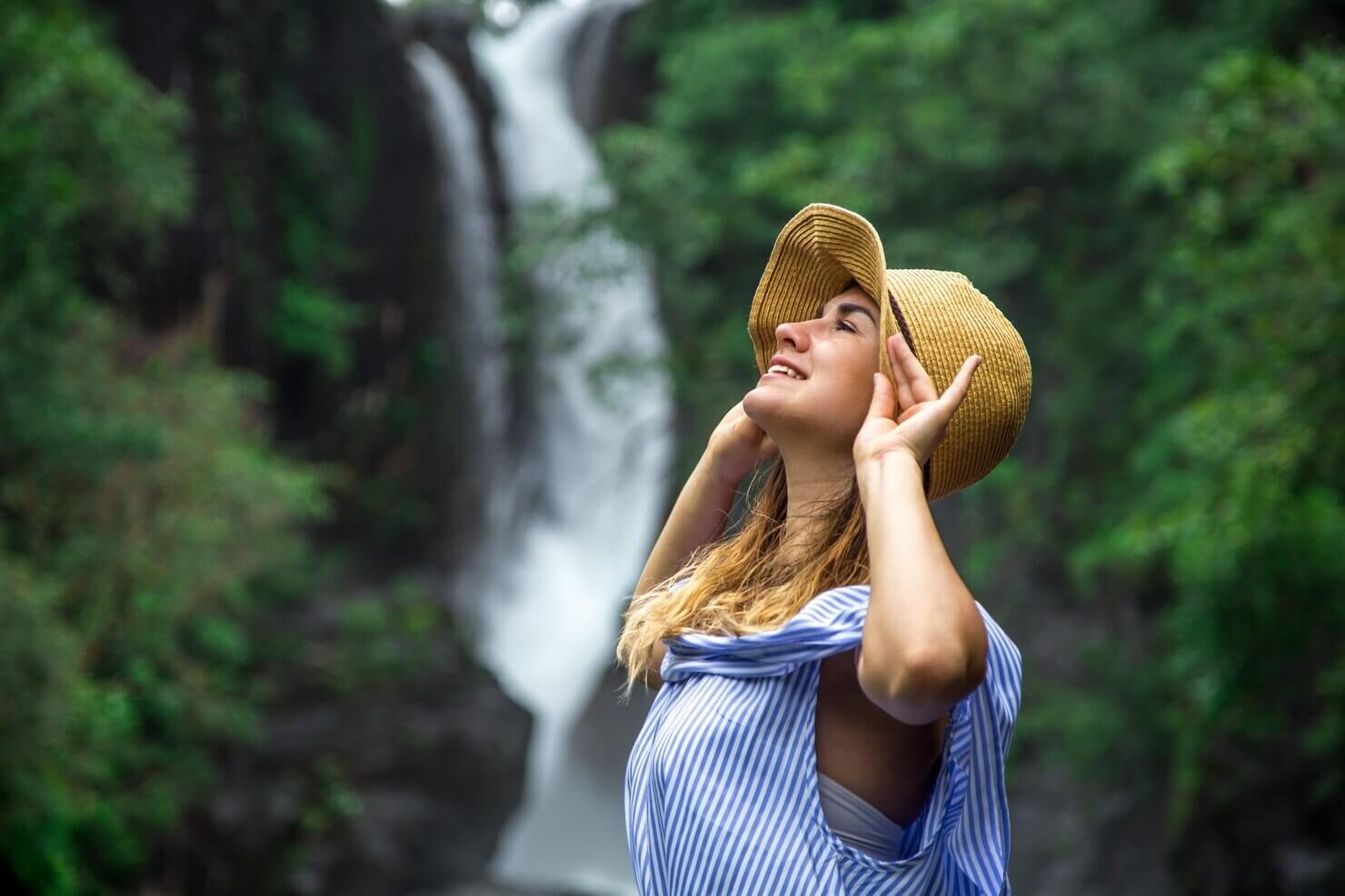
Festivals and events can feel exciting and intimidating at the same time when you’re considering going alone. Many solo women from Austin tell me they love the idea of music, food, art, or seasonal celebrations—but hesitate because of crowds, noise, or the worry of feeling out of place. That hesitation is valid. Festivals are high-energy environments, and not all of them feel equally comfortable when you’re on your own.
What often gets overlooked is that some festivals near Austin are genuinely solo female-friendly—especially when approached with the right expectations, timing, and weekend rhythm. When you choose events that lean daytime-focused, well-organized, and locally attended, festivals can become one of the most enjoyable ways to travel solo. They offer built-in atmosphere without requiring constant social interaction, and they give structure to a weekend without overplanning.
In this guide, I’ll walk you through how to recognize which festivals actually work for solo women, how to plan them in a way that feels calm rather than chaotic, and how to enjoy the experience confidently—on your own terms.
Table of Contents
ToggleWhy Festivals Can Feel Intimidating — and When They Actually Work for Solo Women
Festivals sit in a strange emotional space for many solo women. They promise energy, creativity, and connection—but they can also trigger concerns about crowds, overstimulation, or feeling visibly alone. I’ve seen this pattern repeatedly with women planning weekend trips from Austin: the desire is there, but hesitation creeps in because festivals feel less predictable than a quiet town or nature escape.
What matters most is understanding when festivals support confidence and when they drain it. Not all festivals are built the same, and solo comfort depends far more on format and flow than on size or popularity.
The difference between crowd energy and emotional comfort
Crowds aren’t automatically uncomfortable. What usually creates tension is uncontrolled energy—tight spaces, unclear layouts, late-night peaks, and pressure to stay longer than feels good. Festivals that feel emotionally comfortable tend to have open layouts, clear signage, and natural pauses where you can sit, observe, or step away without drawing attention.
When energy is spread out and optional, you can engage at your own pace. That’s the key distinction.
When festivals feel empowering vs overwhelming
Festivals feel empowering when you can arrive calmly, enjoy a few hours fully, and leave on your own terms. They feel overwhelming when the experience demands endurance, constant movement, or social performance. Solo women often thrive at events where participation is flexible and curiosity-driven rather than intense or immersive.
Why Austin-area events are uniquely solo-friendly
Many festivals near Austin are designed for locals, not just tourists. That usually means daytime schedules, mixed-age crowds, and a more relaxed social tone. These events quietly normalize solo attendance, making it easier to blend in, enjoy the atmosphere, and feel comfortable being there alone.
What Makes a Festival Truly Solo Female-Friendly
Not every festival that looks fun on paper actually feels good when you’re attending alone. For solo women, comfort doesn’t come from popularity or scale—it comes from how the event is structured and how much control you have over your own experience. I’ve seen again and again that the festivals women enjoy most are the ones that quietly support autonomy, ease, and emotional safety without demanding constant energy.
When these elements are present, festivals stop feeling intimidating and start feeling surprisingly grounding.
Daytime focus and flexible arrival windows
Festivals that peak during the day are far easier to enjoy solo. Daylight naturally reduces anxiety, makes navigation simpler, and allows you to arrive when you feel ready rather than rushing to meet a specific moment. Flexible entry times matter because they remove pressure—you can show up late, leave early, or take breaks without feeling like you’re missing the “main event.”
Walkability, layout, and ease of exit
A clear, walkable layout makes a huge difference when you’re alone. Wide paths, visible signage, and multiple exit points help you feel oriented rather than trapped. Knowing you can step out easily—whether to rest, grab food, or head back—creates a sense of control that’s deeply reassuring for solo women.
Crowd mix: locals, couples, families, and other solo visitors
Festivals with a diverse crowd tend to feel safer and more relaxed. When you see families, older couples, friend groups, and other solo attendees, being alone feels normal instead of noticeable. This mixed-energy environment reduces self-consciousness and allows you to blend in naturally.
Seating, shade, and quiet reset zones
Solo-friendly festivals offer places to pause without explanation. Seating areas, shaded spots, and quieter corners let you reset emotionally and physically. These small design details often determine whether a festival feels draining or genuinely enjoyable when you’re on your own.
Best Solo Female-Friendly Festivals Near Austin (By Comfort Style)
Not every festival suits every solo woman—and that’s a good thing. Comfort comes from alignment, not from pushing yourself into events that don’t match your energy. When women ask me which festivals near Austin actually work alone, the answer is almost always: it depends on pace, timing, and atmosphere, not popularity.
Below, I’ve grouped festivals by comfort style, so you can choose what genuinely fits you.
Calm, daytime-focused festivals (art, culture, local markets)
These are often the easiest entry point for solo women. They’re unhurried, visually engaging, and designed for wandering rather than performing.
-
Art walks, studio tours, and craft festivals
-
Cultural heritage events with demonstrations or exhibits
-
Local maker markets and daytime street fairs
These work well because you can arrive mid-morning, explore at your own pace, and leave whenever you feel complete. There’s no pressure to stay late, and being alone feels completely normal.
Food & wine festivals that feel relaxed and social
Food-centered events can feel surprisingly comfortable solo, especially when tasting and browsing are built into the format.
-
Wine trails and tasting weekends
-
Food festivals with multiple vendors and seating areas
-
Farm-to-table or regional cuisine events
Because everyone is focused on tasting and moving, solo attendance blends in naturally. Short conversations are optional, not expected.
Music festivals that still work solo (and when to go)
Music festivals can work solo when chosen carefully and attended at the right time.
-
Daytime sets rather than late-night headliners
-
Smaller venues or multi-stage layouts
-
Arriving early, before crowds peak
Going for a few hours instead of the full day often feels best and avoids exhaustion.
Seasonal events that feel especially welcoming alone
Seasonal festivals often have built-in warmth and familiarity.
-
Fall harvest festivals
-
Holiday markets and light displays
-
Spring garden or outdoor celebration events
These tend to attract mixed-age, local crowds and encourage slow, joyful exploration rather than intensity.
The key is choosing festivals that invite presence, not endurance.
How to Plan a Solo Festival Weekend from Austin
Planning a festival weekend as a solo woman doesn’t require rigid schedules or overthinking. What usually feels best is a light structure—just enough planning to reduce stress, while leaving room to respond to your energy in the moment. The goal isn’t to “do the festival right,” but to create a weekend rhythm that feels steady and supportive.
Choosing one-day vs multi-day attendance
For most solo women, attending a festival for one primary day works better than committing to the entire event. One focused day gives you the full experience without fatigue. Multi-day passes can add pressure to show up even when you’re tired, which can quietly drain enjoyment. You can always extend next time once you know how the event feels.
Arrival timing that reduces anxiety
Arriving earlier in the day—late morning or early afternoon—tends to feel calmer. Entry lines are shorter, layouts are easier to understand, and your nervous system has time to settle. Early arrival also gives you control: you can leave before crowds peak or stay longer if you’re enjoying yourself.
Where to stay for easy exits and quiet evenings
Choose accommodations within a short drive or walk from the festival, but not directly inside the busiest zone. Being able to return to a quiet, familiar space in the evening is one of the biggest confidence boosters for solo travelers.
How much to plan — and what to leave open
Plan your arrival, lodging, and one anchor activity. Leave everything else flexible. Solo festival weekends feel best when curiosity leads and obligation stays home.
Solo Festival Safety Without Fear-Based Thinking
Safety matters—but for solo women, how we think about safety often matters more than the rules themselves. The most comfortable festival experiences come from calm awareness, not constant vigilance. When safety is framed as support rather than restriction, festivals near Austin become far easier to enjoy alone.
Staying aware without staying tense
You don’t need to scan every situation to stay safe. Awareness simply means noticing your surroundings without assigning danger to them. Festivals that feel good solo are usually well-staffed, clearly organized, and filled with people who are there to enjoy themselves. When you trust the structure of the event and your own instincts, your body naturally relaxes. Tension fades when you stop treating safety like a test you could fail.
Managing crowds confidently
Crowds feel less overwhelming when you engage with them on your terms. Standing near edges, choosing open viewing areas, or stepping back during peak moments gives you physical and emotional space. You’re allowed to move, reposition, or take breaks whenever you want. Confidence often comes from knowing you’re not stuck—you’re choosing to be there.
Evening transitions back to calm spaces
One of the simplest safety supports is planning gentle evenings. Leaving before events wind down, returning to familiar accommodations, or choosing early dinners creates a natural sense of closure. You don’t need to “stay till the end” for the experience to be complete.
Trusting intuition without second-guessing yourself
If something doesn’t feel right, you don’t owe anyone an explanation. Solo travel teaches you to trust subtle cues, not override them. That trust is one of the strongest safety tools you carry.
Emotional Experience of Attending Festivals Alone
Attending a festival alone often brings up more emotional questions than logistical ones. Many women expect the experience to feel awkward or isolating, yet what usually unfolds is something much quieter and more affirming. When you remove the pressure to match someone else’s pace or preferences, festivals can feel surprisingly personal and grounding.
First-arrival nerves and how they usually fade
The first few minutes often carry the most emotion. Arrival nerves are common—your senses are adjusting, and your mind is still catching up with the decision to be there alone. In my experience, this feeling rarely lasts. Once you find your footing, notice the layout, and see others wandering independently, your body settles. That initial tension often dissolves into curiosity within the first hour.
Enjoying events without needing constant interaction
Solo attendance doesn’t require social performance. You can listen, observe, taste, and wander without explanation. Many women find relief in not having to talk continuously or negotiate plans. Engagement becomes optional rather than expected, which makes the experience feel lighter and more authentic.
Leaving early without guilt
One of the most empowering parts of solo festival-going is realizing you can leave whenever you want. There’s no obligation to stay longer than feels good. Leaving early isn’t a failure—it’s a sign you’re listening to yourself.
Why solo festival days often feel more memorable
Without distraction, moments tend to land more deeply. Sounds, colors, conversations, and quiet pauses stay with you longer. These experiences often become reference points for confidence long after the weekend ends.
What to Pack for Solo Festival Weekends Near Austin
Packing for a solo festival weekend isn’t about being prepared for every scenario—it’s about reducing friction. When what you carry supports comfort and ease, your energy stays focused on enjoying the event rather than managing discomfort. I’ve noticed that solo women who pack lightly and intentionally tend to feel calmer and more confident throughout the day.
Comfort-first essentials
These are the items that quietly support your physical and emotional comfort during long festival hours.
-
Comfortable walking shoes you already trust
-
Lightweight layers for changing temperatures
-
Sunscreen, sunglasses, and a hat for daytime events
-
A small crossbody or backpack that stays secure and hands-free
When your body feels comfortable, your mind follows.
Items that reduce decision fatigue
Decision fatigue is real at festivals, especially when you’re alone. A few smart items can minimize it.
-
A reusable water bottle to avoid repeated purchases
-
Portable phone charger for peace of mind
-
Simple snacks to avoid hunger-based overwhelm
-
A physical card or ID stored separately as backup
These small supports create a sense of stability.
Light packing for easy movement and exits
Solo festival days feel best when you can move freely.
-
Avoid oversized bags
-
Pack only what you’ll realistically use
-
Choose items that allow quick exits without repacking
The lighter you feel, the easier it is to stay present and relaxed.
Who These Festivals Are Best For — and When to Skip Them
Solo festivals can be deeply enjoyable, but they’re not a universal fit for every weekend or every emotional season. One of the most confidence-building skills solo women develop is knowing when an event will support them—and when something quieter would feel better. There’s no right or wrong choice here, only alignment.
Great fits for first-time solo travelers
Festivals can work well for first-time solo travelers when they’re chosen thoughtfully. Daytime events with clear layouts, mixed-age crowds, and flexible schedules often feel supportive rather than overwhelming. These festivals provide structure—music, food, art—without requiring constant decision-making. For women who like having something to anchor the day, festivals can feel safer than completely open-ended weekends.
Ideal personalities and travel styles
Solo festivals tend to suit women who enjoy gentle stimulation, casual people-watching, and exploring at their own pace. If you like dipping in and out of activity, observing without needing to participate fully, or having the option to leave early, festivals can feel empowering. They’re especially good for women who want social atmosphere without social obligation.
When quieter weekend trips may feel better
There are times when festivals aren’t the right choice—and that’s important to honor. If you’re emotionally drained, sensitive to noise, or craving deep rest, a quiet town or nature-based weekend may feel more nourishing. Skipping a festival isn’t avoidance; it’s self-awareness. Solo travel works best when it supports your current energy, not challenges it unnecessarily.
Choosing what fits you now is where real confidence comes from.
Final Thoughts — Choosing Festivals That Support Confidence, Not Pressure
Solo festival weekends near Austin work best when they feel like an invitation, not a challenge. The most fulfilling experiences aren’t about staying all day, seeing every performance, or pushing past your limits. They’re about choosing events that match your energy, arriving in a way that feels calm, and letting yourself enjoy the atmosphere without pressure to perform or participate more than you want to.
I’ve seen again and again that when solo women choose festivals with daytime flow, mixed crowds, and easy exits, the experience feels grounding rather than draining. You get the stimulation of music, food, or art alongside the freedom to pause, observe, or leave early. That balance is what turns a potentially overwhelming environment into something confidence-building.
If a festival feels right, it can become a beautiful anchor for a solo weekend—structured enough to feel safe, open enough to feel free. And if it doesn’t, choosing a quieter alternative is just as valid. Solo travel isn’t about proving anything. It’s about listening to yourself and building weekends that genuinely support who you are, right now.
Related Posts
- Solo Female Road Trips from Austin: Routes That Feel Comfortable Alone
- Privacy Policy
- Disclaimer
- Best Airbnbs Near Austin for Solo Female Weekend Trips (Comfort-First, Joy-Ready)
- How to Choose a Weekend Destination That Feels Right When Traveling Alone
- Plan
- Nature & Quiet Weekend Escapes Near Austin for Women Traveling Alone
- Spring Weekend Trips from Austin for Women Traveling Alone