
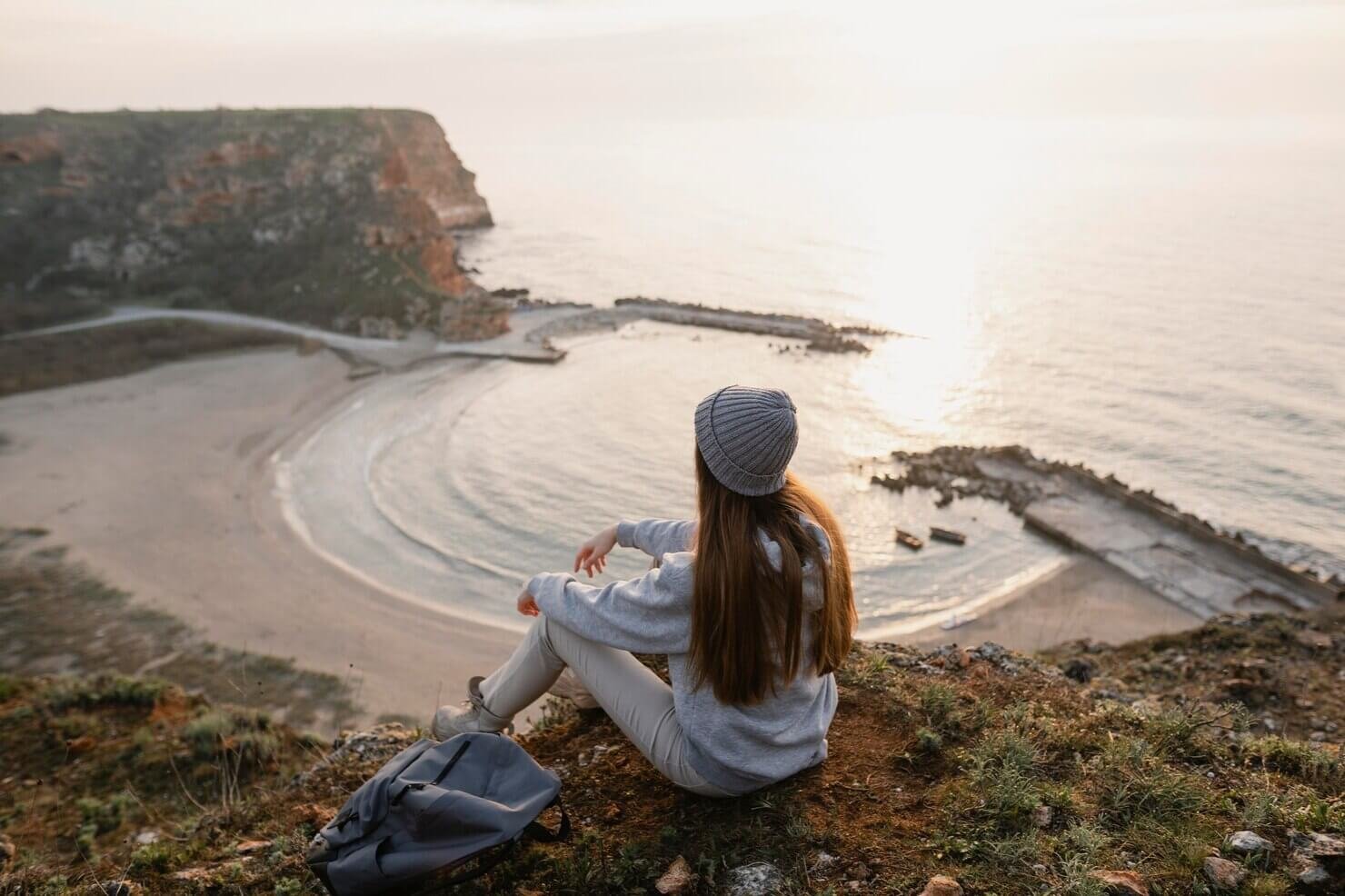
When women travel alone, water activities often bring up a different kind of hesitation than hiking or dining. It’s not just about skill—it’s about exposure, control, and what happens if you feel unsure once you’re already out there. That hesitation is completely understandable. Kayaking and water adventures can feel more committing, especially when you’re solo and on a weekend trip where you want things to feel restorative, not stressful.
Near Austin, water is part of everyday life. Lakes, rivers, and springs are woven into normal routines—morning paddles, casual rentals, short floats before lunch. That culture matters. It means being alone on the water isn’t unusual, and most popular spots are designed to support beginners and casual participants, not just experienced paddlers.
This article isn’t about pushing limits or chasing adrenaline. It’s about water experiences that feel emotionally supportive: calm conditions, clear entry and exit points, simple rentals, and flexible routes where you can turn back whenever you want. These are adventures that fit naturally into a solo weekend rhythm—early starts, short outings, and plenty of space to rest afterward.
Kayaking alone doesn’t have to feel bold to be empowering. When you choose the right environment, water becomes grounding, confidence-building, and deeply calming. That’s the kind of adventure we’re focusing on here.
Table of Contents
ToggleWhy Water Adventures Feel Intimidating — and Why They Don’t Have to Be
Water carries a different psychological weight than land. Once you push off from shore, there’s a sense of commitment that can trigger hesitation—especially when you’re alone. For many women, the concern isn’t can I do this? but what if I feel unsure halfway through? That’s a very human response, and it’s exactly why choosing the right kind of water experience matters.
Around Austin, most accessible water activities are designed for everyday use, not high-stakes adventure. Calm lakes, slow-moving rivers, and clearly managed launch areas create a setting where uncertainty doesn’t escalate. You’re rarely far from shore, help, or an easy exit. That structure quietly lowers the mental load.
Another reason water can feel intimidating is the idea that confidence must come before you start. In reality, confidence often arrives during the experience—once you realize the pace is yours, the route is flexible, and turning back is normal. Short paddles, flatwater conditions, and daylight timing all reinforce that sense of control.
When water adventures are framed as gentle, time-bound experiences—not endurance tests—they stop feeling risky and start feeling restorative. The goal isn’t to conquer the water. It’s to let it steady you.
Core Comfort & Safety Principles for Solo Women on the Water
Water adventures feel best when they’re guided by simplicity and choice, not pressure. The principles below are the ones I see help solo women enjoy kayaking and gentle water activities without turning the experience into something they have to manage constantly. Near Austin, most discomfort comes from timing or conditions—not from being alone.
Choosing Calm, Predictable Water Conditions
Flatwater is your friend. Lakes, coves, and slow-moving stretches of river keep effort steady and decisions minimal. Avoid days with strong wind or choppy surfaces; even short paddles can feel draining when conditions fight you. Checking conditions the morning of—rather than days ahead—keeps expectations realistic.
Daylight Timing and Crowd Rhythm
Daylight makes everything feel clearer and calmer. Early mornings are usually the easiest: cooler air, smoother water, and fewer boats. Midday can still work if you stay close to shore. Late afternoons tend to add wind and traffic, which increases mental load.
Rental Simplicity vs. Bringing Your Own Gear
Renting on-site often feels easiest when you’re solo. Clear instructions, defined launch points, and staff presence remove friction. Bringing your own gear works well if you already feel comfortable—but simplicity usually wins on weekend trips.
Life Jackets, Awareness, and Confidence
A properly fitted life jacket isn’t about fear—it’s about freedom. When you know you’re supported, your body relaxes. Stay aware of surroundings, but avoid hypervigilance. Gentle check-ins with shoreline distance and boat traffic are enough.
Knowing When to Turn Back Without Guilt
Turning back early is a skill, not a failure. If wind picks up or energy dips, heading in keeps the experience positive. Confidence grows when you choose comfort deliberately.
With these principles in place, water adventures become steady, enjoyable, and surprisingly empowering—exactly what a solo weekend needs.
Best Kayaking & Water Experiences Near Austin for Solo Women
The most supportive water experiences for solo women are the ones that feel contained, calm, and flexible. You should be able to launch easily, stay close to shore if you want, and turn back at any moment without it feeling like a decision you need to justify. The options below are well-suited for weekend trips because they’re familiar to locals, managed during daylight hours, and naturally solo-friendly.
Easy, Flatwater Kayaking for First-Timers
1. Lady Bird Lake
This is one of the most comfortable places to kayak alone in Austin. The water is flat, routes are flexible, and being solo here feels completely normal.
Why it works so well:
-
You can hug the shoreline the entire time
-
Rentals are straightforward and beginner-friendly
-
Short paddles still feel satisfying
It’s ideal if this is your first solo water activity of the weekend.
Scenic Paddles That Feel Calm, Not Exposed
2. Red Bud Isle
The small island and surrounding coves create a sheltered paddling experience that feels visually rewarding without being overwhelming.
What makes it supportive:
-
Calm water near the island edges
-
Easy orientation—land is always visible
-
Popular daytime use adds a sense of normalcy
This works well when you want scenery without committing to distance.
Short Routes With Flexible Turn-Around Points
3. Barton Creek
When water levels allow, certain stretches of Barton Creek are gentle and approachable for short solo paddles.
Why solo women like it:
-
You can paddle only as far as feels good
-
Natural banks make resting easy
-
Feels quieter and more intimate than the main lake
It’s best treated as a slow, mindful outing rather than a long route.
Guided or Managed Water Experiences
4. Texas Rowing Center
For women who prefer structure, guided rentals or clearly managed launch areas can make a big difference.
Why this helps:
-
Staff presence reduces decision pressure
-
Clear entry and exit points
-
Help is visible without being intrusive
This option works especially well early in a trip, when you want reassurance without giving up independence.
These water experiences are supportive because they don’t trap you into a single outcome. You control the pace, the distance, and the duration—which is exactly what builds confidence when you’re traveling alone.
Near-Austin Water Adventures Worth the Drive
If you have a full weekend or want a slower, quieter experience, short drives outside the city can make water time feel even more comfortable. Near Austin, these spots tend to have clear boundaries, calmer rhythms, and a more intentional pace, which many solo women find reassuring.
Hill Country Rivers With Gentle Flow
5. San Marcos River
This river is spring-fed, clear, and gently moving—ideal if you want water time without constant paddling effort.
Why it works solo:
-
Cool, steady water keeps energy regulated
-
Clearly defined access points
-
Floating or light paddling both feel acceptable
It’s best earlier in the day, before group traffic increases.
Spring-Fed Swimming & Floating Spots
6. Blue Hole Regional Park
While more about swimming than kayaking, this is a comforting water experience for solo travelers.
What supports ease:
-
Managed entry and clear rules
-
Lifeguards and facilities on site
-
Calm, contained environment
It’s a great option if you want water without equipment.
Quiet Lake Access Outside the City
7. Lake Bastrop North Shore Park
This lake offers a calmer alternative to central Austin waters.
Why solo women like it:
-
Less boat traffic
-
Easy shoreline launches
-
Spacious feel without isolation
It’s ideal if you want room to paddle without pressure.
Driving a little farther often simplifies the experience. With clearer edges and slower energy, these near-Austin water adventures let you relax into the moment—without feeling watched or rushed.
How to Choose the Right Water Activity for Your Solo Weekend Mood
One of the quiet strengths of traveling alone is that you don’t have to force an experience just because it looks good on paper. Water adventures feel best when they match your energy that day, not an idea of what you “should” do. Around Austin, the variety of options makes this easier—you can choose calm, movement, or rest without committing to a single version of adventure.
When You Want Calm and Grounding
If you’re feeling mentally full, tired, or a little tender, stillness matters more than distance.
What usually works best:
-
Flatwater kayaking close to shore
-
Short paddles with clear launch points
-
Swimming or floating in managed areas
These experiences let the water regulate your nervous system without demanding focus or strength.
When You Want Light Adventure Without Pressure
Some days you want to feel active, but not challenged.
Supportive choices include:
-
Gentle rivers with slow current
-
Lakes with sheltered coves
-
Routes where turning back feels normal
You’re moving, but you’re never locked into going farther than feels good.
When You Want Movement but Minimal Effort
If your body wants activity but your mind wants rest, choose water experiences that do some of the work for you.
This often looks like:
-
Floating rather than paddling
-
Staying close to entry points
-
Time-limited outings
Matching water activities to mood keeps the experience restorative instead of draining. When you listen to those cues, solo water time becomes something you look forward to—not something you have to psych yourself into.
Practical Weekend Pacing for Water Activities
Water adventures fit best into a solo weekend when they’re time-contained and energy-aware. Unlike hiking, water adds sun exposure and physical output faster than most people expect, so pacing is what keeps the experience restorative instead of exhausting.
Early mornings are usually the easiest window. The water is calmer, rental areas are less crowded, and temperatures feel manageable. Arriving early also removes the subtle pressure of “making the most of it.” You can paddle or swim for 30–60 minutes and still feel like you had a full experience.
Midday can work if you shorten your time on the water. Heat builds quickly near Austin, and fatigue shows up faster when you’re solo. Plan water time first, then rest afterward rather than the other way around.
Hydration matters more than distance. Drink before you launch, bring water if possible, and stop while you still feel good. Ending early is what keeps confidence intact.
Many solo women find it helpful to pair water time with something grounding afterward—a relaxed lunch, a shaded walk, or simply rest. When water activities are treated as one supportive chapter of the day, not the whole story, they enhance the weekend instead of dominating it.
Common Water-Adventure Mistakes Solo Women Make
Most uncomfortable water experiences don’t happen because something goes wrong—they happen because expectations and conditions quietly drift out of alignment. I see the same few patterns come up when women tell me a paddle or swim felt more draining than they expected, especially on weekend trips near Austin.
One common mistake is overestimating energy. Water reflects heat, wind adds resistance, and time passes differently once you’re out there. What feels like “just a short paddle” can turn into fatigue faster than planned. Stopping while you still feel good is what keeps the experience positive.
Another issue is choosing peak rental times. Midday crowds bring noise, boat traffic, and subtle pressure to move faster or farther. Arriving earlier usually changes the entire feel.
Some women also stay out longer than feels right because turning back feels awkward. It isn’t. Turning back early is a confidence skill, not a failure.
Finally, there’s the temptation to choose “the most famous spot” instead of the most comfortable one. Popular doesn’t always mean supportive when you’re solo.
Avoiding these mistakes isn’t about caution—it’s about alignment. When expectations match conditions, water adventures feel calm, empowering, and exactly as restorative as you hoped.
How Water Adventures Build Confidence When Traveling Alone
Water has a unique way of resetting both the body and the mind. When you’re traveling alone, that reset can be especially powerful. I’ve seen many women feel hesitant before launching a kayak or stepping into the water, only to come back calmer, clearer, and noticeably more confident than when they started—especially around Austin, where water activities are part of everyday life.
What builds confidence isn’t distance or skill. It’s self-trust in motion. You decide when to launch, how far to go, and when to return. You notice wind, light, and energy shifts—and you respond. Each small decision reinforces the idea that you can read a situation and take care of yourself in it.
Water also encourages presence. The rhythm of paddling or floating pulls attention out of overthinking and into the moment. That presence carries forward. After a calm water experience, many women find that other solo activities—dining alone, exploring a new neighborhood, or planning the next day—feel lighter and less loaded.
Perhaps most importantly, water adventures teach permission. Permission to start small. Permission to stop early. Permission to choose comfort without apology. That kind of confidence doesn’t shout. It settles in quietly—and stays with you well beyond the weekend.
Final Thoughts on Kayaking & Water Adventures Solo
Water adventures don’t have to feel bold to be meaningful. When chosen thoughtfully, they can be some of the most grounding and confidence-building experiences on a solo weekend. The key isn’t how far you paddle or how long you stay out—it’s how supported you feel while you’re there.
Near Austin, the most rewarding solo water experiences are the ones that respect your energy. Calm water, clear entry and exit points, simple rentals, and early timing all work together to create ease. When those elements are in place, kayaking or floating stops feeling like something you need to manage and starts feeling like something you get to enjoy.
What I’ve seen repeatedly is that one positive water experience shifts the tone of an entire trip. After time on the water, women often feel more settled in their bodies and more trusting of their instincts. That confidence carries into everything else—meals, exploring, even planning the next day.
You don’t need to push limits to feel proud of yourself. Choosing comfort, listening to your body, and ending on a high note is what turns water time into a source of strength rather than stress. That’s what makes solo water adventures so quietly powerful.
Related Posts
- Budget-Friendly Solo Female Weekend Trips from Austin That Still Feel Easy
- What to Avoid as a Solo Female Traveler Near Austin
- Wellness & Spa Weekend Retreats Near Austin for Solo Women
- Spring Weekend Trips from Austin for Women Traveling Alone
- Disclaimer
- Best 2–3 Day Solo Female Trips from Austin
- Fredericksburg Solo Female Weekend Guide from Austin
- Solo Female-Friendly Festivals & Events Near Austin That Feel Comfortable Alone