
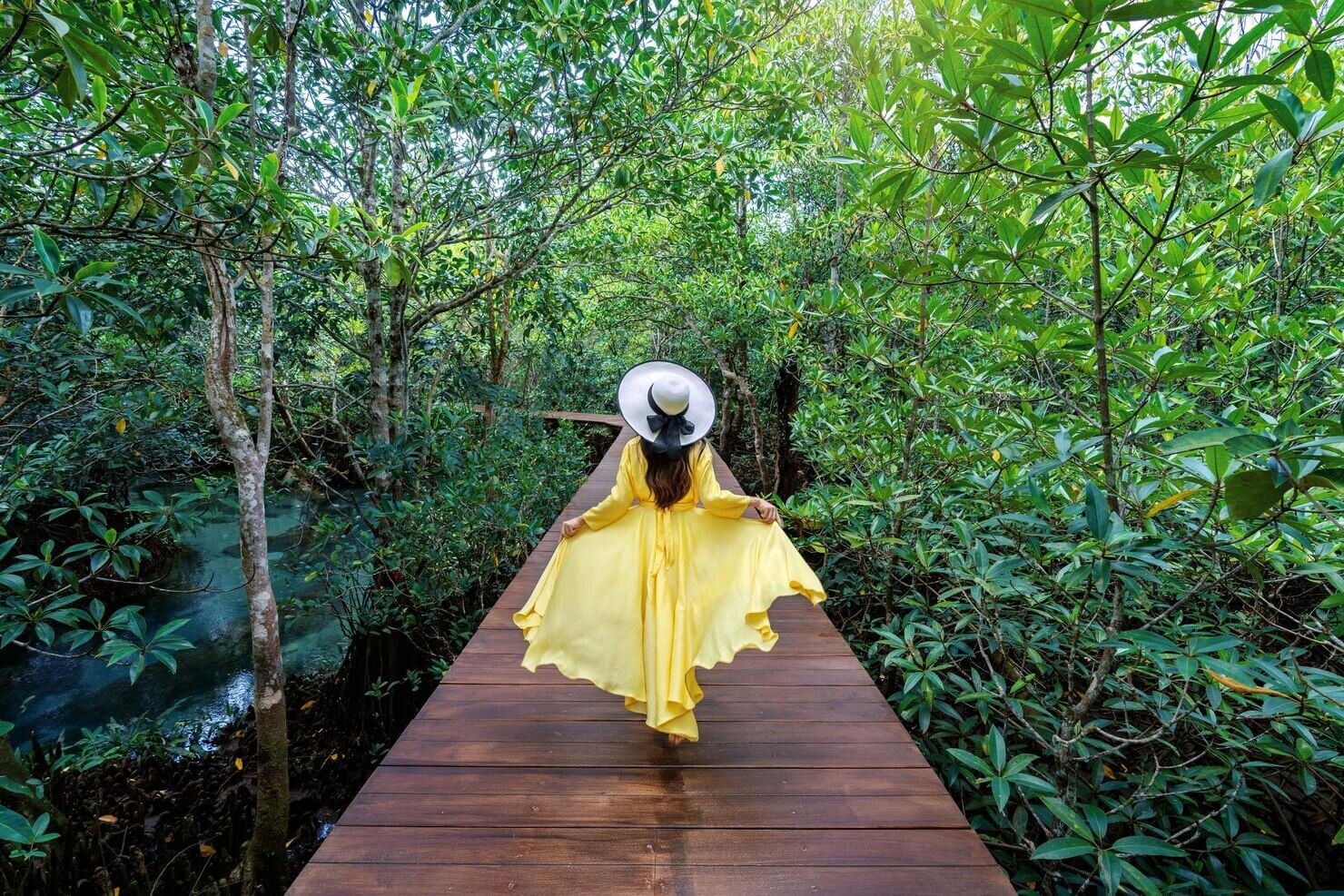
When you’re planning a solo weekend trip from Austin, when you go often matters just as much as where you go. Timing shapes how safe you feel driving, how relaxed you are arriving, and how easy it is to enjoy being on your own once the weekend begins. The same destination can feel grounding and joyful in one season—and surprisingly draining in another.
For solo female travelers, seasons don’t just change the weather. They change energy. Daylight hours, crowds, heat, and even how predictable the roads feel all play into emotional comfort. I’ve seen many women choose great destinations but come home feeling unsettled simply because the timing didn’t support them. The trip wasn’t wrong—the season was.
This is especially true for weekend travel from Austin. Short trips magnify everything. Long summer heat, early winter darkness, or packed spring crowds can quietly add stress when you’re traveling alone. On the flip side, the right season can make solo travel feel effortless. You arrive calm. You move at your own pace. Even small decisions feel lighter.
This guide breaks down the best time of year for solo female weekend trips from Austin in a comfort-first, realistic way. Not just weather charts or peak-season hype—but how each season actually feels when you’re on your own. By the end, you’ll know which times of year tend to support confidence, which require adjustments, and how to choose timing that makes solo travel something you enjoy—not endure.
Table of Contents
ToggleHow Seasonality Affects Solo Female Weekend Travel Decisions
When you’re traveling alone, seasons influence far more than packing choices. They shape how steady you feel from the moment you leave Austin to the moment you return. Weather, daylight, and crowd levels quietly affect your nervous system, especially on short weekend trips where there’s little room to recover from friction.
One of the biggest seasonal factors for solo women is daylight. Longer days often feel safer and more expansive, not because nights are dangerous, but because arriving, exploring, and returning to your stay feels easier when there’s light. Shorter days can still be wonderful, but they require more intentional pacing to avoid feeling rushed or disoriented.
Temperature plays a similar role. Extreme heat or cold isn’t just uncomfortable—it increases decision fatigue. You’re constantly adjusting plans, timing activities, or managing physical stress. Moderate weather, by contrast, creates a sense of ease. You don’t have to plan around it. You simply move.
Crowds also shift with the seasons, and solo travelers feel that change differently. In busy periods, being alone can feel either energizing or invisible, depending on your personality and energy level. In quieter seasons, solitude can feel peaceful—or too quiet—depending on how supported the environment feels.
Understanding how seasons shape these emotional and practical layers is the key to choosing the best time for solo weekend trips from Austin. It’s not about finding a perfect month. It’s about aligning timing with the version of yourself you are right now—and choosing seasons that support you instead of asking you to push through.
Spring Weekend Trips from Austin for Solo Women
Spring is often the first season solo women feel drawn to for weekend travel—and for good reason. After winter’s slower rhythm, spring brings longer days, lighter air, and a sense that things are opening up again. For many women traveling alone, that shift feels emotionally supportive. You’re more willing to say yes, more curious, and less guarded.
That said, spring near Austin has its own personality. It’s beautiful, but it’s also popular. Understanding how spring actually feels—not just how it looks—helps you decide whether it’s the right season for your solo weekends.
Why Spring Feels Emotionally Easiest
Spring tends to feel forgiving. Temperatures are moderate, daylight stretches comfortably into the evening, and the landscape feels alive without being overwhelming. For solo women, this often translates into confidence. You don’t feel rushed by darkness or drained by heat. Driving feels easier. Arriving before sunset is more likely, even if you leave Austin after work.
There’s also a subtle emotional lift in spring. People are out walking, cafes are active, and towns feel awake in a gentle way. You can be alone without feeling isolated. That balance—presence without pressure—is one reason spring is often ideal for first-time solo weekend trips from Austin.
Spring Trade-Offs (Crowds, Allergies, Pricing)
Spring’s biggest downside is popularity. Festivals, wildflower season, and school breaks bring crowds, especially on weekends. For solo travelers, this can be a mixed experience. Some women enjoy the energy and anonymity; others find it overstimulating.
Pricing can also creep up, and last-minute availability becomes harder. Allergies are another real consideration—physical discomfort can quietly drain emotional energy when you’re on your own.
Spring works best when you plan slightly off-peak: early mornings, quieter towns, or weekends outside major events. With small adjustments, spring remains one of the most supportive seasons for solo female weekend travel from Austin.
Summer Weekend Trips from Austin — What Solo Women Should Know
Summer is the most misunderstood season for solo female weekend trips from Austin. Many women assume it’s automatically a bad idea—too hot, too exhausting, too uncomfortable to enjoy alone. In reality, summer can work beautifully for solo travel when expectations and pacing are adjusted. The key is understanding which parts of summer support you, and which parts quietly drain you.
Unlike spring or fall, summer doesn’t offer forgiveness. It asks you to be intentional.
Early Summer vs. Peak Heat
Early summer—late May through mid-June—often feels very different from July and August. Days are long, evenings stretch out, and there’s a sense of spaciousness that can feel freeing alone. You have time to arrive in daylight, rest, and still enjoy an evening walk or meal without feeling rushed.
Peak summer heat, on the other hand, compresses energy. When temperatures stay high into the evening, solo travel can feel effortful. You may find yourself planning around air conditioning, shade, and hydration more than experience. This doesn’t make summer travel wrong—it just means the trip needs to be designed for rest, not exploration-heavy agendas.
When Summer Actually Works Well Alone
Summer tends to work best for solo women when the goal is containment and ease, not movement. Nature stays with good cooling, lakeside destinations with early-morning activity, and towns where everything you need is close together can feel surprisingly restorative.
Solo travelers often enjoy summer trips that include:
-
Short drives with predictable traffic
-
Accommodations designed for staying in comfortably
-
Early starts and quiet afternoons
-
Evenings that don’t require going back out
Summer can also feel emotionally supportive because fewer people are traveling solo during this time. There’s less comparison, less pressure, and more permission to slow down.
If you choose summer intentionally—rather than fighting it—it can become a season of deep rest and quiet confidence rather than something to avoid.
Fall Weekend Trips from Austin for Solo Female Travelers
For many solo women, fall feels like the season where everything clicks. The air cools, the light softens, and the frantic energy of summer finally eases. Weekend trips from Austin in fall often feel calmer, more balanced, and emotionally steady—especially when you’re traveling alone.
Fall doesn’t demand the same adjustments as summer, and it doesn’t carry the unpredictability of early spring. That sense of stability is one reason so many solo female travelers describe fall as the season where they feel most like themselves on the road.
Why Fall Is Often the Sweet Spot
Fall offers one of the most supportive environments for solo travel. Daytime temperatures are comfortable, evenings are pleasant, and daylight still lasts long enough to avoid rushed arrivals. You’re less likely to feel physically taxed, which frees up emotional energy to actually enjoy the weekend.
There’s also a noticeable shift in crowd dynamics. After summer travel slows and before holiday travel begins, destinations tend to feel settled rather than packed. Towns are active but not overwhelmed. Restaurants are easier to access. Trails and public spaces feel shared, not crowded. For solo women, that balance often feels ideal—you’re not alone, but you’re also not navigating chaos.
Emotionally, fall encourages reflection without heaviness. Many women find it easier to enjoy quiet dinners, scenic drives, and slow mornings in this season. There’s a sense of permission to be inward without feeling cut off, which aligns beautifully with solo travel.
Best Types of Trips for Fall Energy
Fall weekends tend to work especially well for trips that blend light activity with rest. Scenic towns, gentle hikes, cultural experiences, and nature stays all feel more enjoyable when the weather supports being outside without effort.
This season also supports flexibility. You can plan loosely and adjust as you go without worrying about extreme heat, sudden storms, or early darkness. That flexibility is a gift when you’re alone—it reduces pressure and helps the weekend unfold naturally.
For many solo female travelers from Austin, fall isn’t just a good season. It’s the season where solo travel feels easiest, most intuitive, and most rewarding.
Winter Weekend Trips from Austin — Calm, Quiet & Reflective
Winter is the most underrated season for solo female weekend trips from Austin. It doesn’t announce itself with beauty the way spring does, or with ideal weather the way fall does. Instead, winter offers something quieter and more personal: space to slow down without explanation.
For many solo women, winter travel feels grounding because expectations are lower. You’re not chasing perfect weather or packed itineraries. You’re choosing rest, reflection, and intentional quiet. That mindset shift alone can make winter trips feel emotionally supportive.
Shorter daylight hours do require awareness, but they also encourage a different rhythm. You’re more likely to arrive earlier, settle in, and create cozy evenings rather than pushing yourself to keep moving. That containment often feels comforting when you’re alone. You’re not missing out—you’re choosing stillness.
Crowds thin significantly in winter, especially outside of holiday weekends. Towns feel lived-in rather than performative. Accommodations are often easier to book and more affordable, which removes pressure to “make the most” of every moment. For solo travelers, that lack of urgency can be deeply relaxing.
Winter works especially well for cabin stays, small towns, wellness-focused weekends, and trips where the goal is rest rather than exploration. When you lean into winter’s slower pace instead of resisting it, solo travel becomes less about doing—and more about being.
Best Months for First-Time Solo Female Weekend Trips
If this is your first solo weekend trip from Austin, timing can quietly influence how confident you feel the entire way through. Some months naturally support ease, while others require more adjustments. Choosing a forgiving window helps your first experience feel steady instead of challenging.
For most first-time solo women, March through early May and late September through October tend to feel the most supportive. These months offer moderate temperatures, longer daylight hours, and predictable conditions. You’re less likely to rush arrivals, cancel plans due to weather, or feel physically drained before the weekend even begins.
What makes these months especially helpful is how little they ask of you. You can leave Austin after work and still arrive in daylight. You don’t have to plan around extreme heat or early darkness. Driving feels easier, walking feels comfortable, and evenings feel calm rather than tense.
Summer and winter can still work for first solo trips, but they often require more intention. Summer demands heat management and rest-focused plans. Winter asks for earlier arrivals and comfort-centered stays. For a first experience, many women prefer months where the season quietly supports them without needing strategy.
When your first solo trip feels easy, confidence builds quickly—and future trips feel less intimidating, regardless of season.
How Weather, Daylight & Crowds Shape Solo Comfort
When you’re traveling alone, weather, daylight, and crowds don’t just affect logistics—they affect how settled you feel inside your body. These factors shape your confidence in small, cumulative ways throughout a weekend trip from Austin.
Daylight is often the most underestimated element. Longer days give you flexibility. You can arrive without rushing, explore without watching the clock, and return to your stay while things still feel oriented and familiar. Shorter days aren’t bad, but they compress decisions. You may feel pressure to arrive earlier, plan evenings more intentionally, or stay in once darkness falls. For solo women, that compression can either feel cozy or constricting, depending on your expectations.
Weather adds another layer. Mild conditions let you move intuitively—walk when you want, stop when you’re tired, sit outside without planning. Extreme heat or cold forces structure. You’re constantly adjusting timing, hydration, clothing, or shelter. That extra management can quietly drain emotional energy when you’re alone.
Crowds influence comfort in a subtler way. Busy seasons can provide anonymity and energy, which some solo travelers enjoy. Others find crowds overwhelming or isolating in a different way. Quieter periods often feel peaceful, but only if the destination still feels alive.
The most comfortable solo weekends happen when these three elements—weather, daylight, and crowds—align with your energy rather than working against it.
Choosing the Right Season Based on Your Solo Travel Style
There isn’t one “best” season for solo female weekend trips from Austin—there’s the season that best matches how you like to feel when you travel alone. Your personality, energy level, and reason for taking the trip all influence which time of year will support you most. When season and style align, solo travel feels natural instead of effortful.
Quiet & Reset-Focused Travelers
If you’re drawn to solo trips for rest, reflection, and nervous-system reset, you’ll likely feel most supported in late fall and winter. These seasons encourage slower pacing without social pressure. Cabins, small towns, and wellness-focused stays feel especially grounding when crowds are thin and expectations are low.
Quiet-focused travelers often enjoy seasons where:
-
Evenings naturally turn inward
-
There’s no pressure to “do it all”
-
Staying in feels like a choice, not a compromise
Winter and late fall allow you to embrace stillness without feeling like you’re missing peak travel moments.
Social but Low-Pressure Travelers
If you enjoy being around people without needing constant interaction, spring and early fall often feel ideal. These seasons bring gentle activity—cafes, tours, outdoor spaces—without the intensity of peak summer crowds.
This style works best when:
-
There’s visible life around you
-
Conversations feel optional, not required
-
You can join experiences without overcommitting
Spring and fall support light social energy while still honoring solo autonomy.
Nature-Loving & Wellness-Oriented Travelers
If nature, movement, and embodied experiences are central to your solo trips, early summer and fall often feel best. Early summer offers long daylight and outdoor access before peak heat, while fall provides comfort without physical strain.
These seasons support:
-
Morning hikes and outdoor classes
-
Water-based or scenic experiences
-
Gentle physical activity without exhaustion
Choosing a season that complements your travel style helps solo trips feel aligned, not demanding.
When Not to Travel Solo from Austin (or Adjust Expectations)
Solo travel doesn’t require perfect conditions—but there are times of year when traveling from Austin alone can feel unnecessarily hard if expectations aren’t adjusted. These periods aren’t off-limits. They simply ask more of you, and knowing that ahead of time helps you choose whether to go, wait, or travel differently.
One of the most challenging windows for solo weekend trips is peak summer heat, especially late July through August. The issue isn’t safety—it’s stamina. Constant heat narrows your options, limits outdoor enjoyment, and can make even simple errands feel draining. If you travel during this time, the trip works best when it’s designed around staying in, early mornings, and minimal movement.
Another window that can feel tricky is major event weekends—festivals, holidays, or large conferences. Crowds spike, prices rise, and availability shrinks. For solo women, these weekends can feel either overwhelming or oddly isolating. If you do travel during events, choosing quieter destinations or arriving well ahead of peak times helps maintain comfort.
Finally, weather volatility periods, like early spring storms or sudden winter cold snaps, can quietly add stress. Driving unpredictability, last-minute changes, and shifting plans feel heavier when you’re alone.
The takeaway isn’t avoidance—it’s awareness. When you know a season asks more of you, you can either adjust the trip design or choose a time that supports ease instead of resilience.
Final Thoughts: Timing Solo Trips for Confidence, Not Perfection
The best time of year for solo female weekend trips from Austin isn’t about chasing ideal conditions or waiting for the “perfect” season. It’s about choosing timing that supports how you want to feel. Confidence grows when the season works with you—when daylight, weather, and energy align instead of requiring constant adjustment.
What I’ve seen again and again is that solo travel feels easiest when timing reduces friction. You arrive without rushing. You move through the weekend without managing extremes. You leave feeling restored, not proud of having pushed through discomfort. That’s not weakness—it’s wisdom.
Spring and fall often feel most forgiving. Summer can be deeply restorative when designed for rest. Winter can be grounding when you embrace its quiet. No season is wrong. Some simply ask for more intention than others.
If you’re ever unsure, choose ease over ambition. Choose the season that lets you relax into being alone rather than proving you can handle it. When timing supports you, solo travel stops feeling like a leap—and starts feeling like a rhythm you trust yourself to return to.
Related Posts
- Terms & Conditions
- Nature & Quiet Weekend Escapes Near Austin for Women Traveling Alone
- Wimberley Solo Female Getaway Guide from Austin
- Wellness & Spa Weekend Retreats Near Austin for Solo Women
- What to Avoid as a Solo Female Traveler Near Austin
- Offbeat & Uncrowded Weekend Trips from Austin for Solo Women
- Trips
- Fredericksburg Solo Female Weekend Guide from Austin